EPOXY FLOORING COST EXPLAINED: A SLEEK FINISH WITHOUT A STICKY PRICE
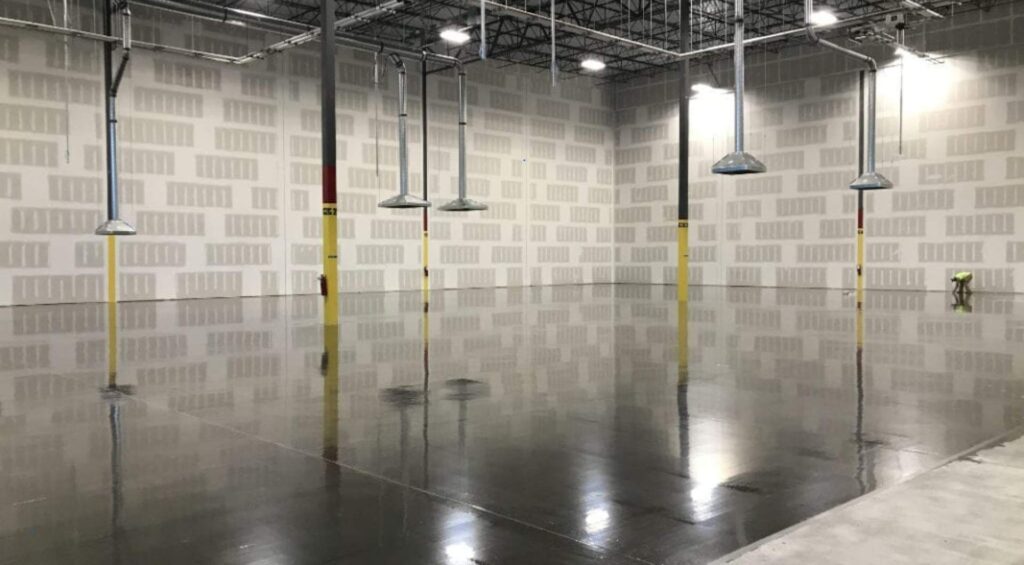
Thinking about upgrading your floors with a sleek, high-gloss epoxy finish, but not sure where to start? Epoxy is an excellent choice for commercial properties, but how much does epoxy flooring cost?
In this guide, you will get a clear, no-fluff breakdown of what you can expect to pay, the factors that affect pricing, and how to get the best value for your budget— without getting stuck with unlimited fees or a subpar installation. Knowing these epoxy installation numbers and expectations upfront can save you serious time, money, and headaches.
Table of Contents
How Much Does Epoxy Flooring Cost?
Epoxy flooring is a great option for commercial properties. Costs vary depending on the size of the property as well as other factors, including:
- Materials
- Labor
- Pre-installation prep
- Professional/DIY
- Regional availability
Generally, thin mil coatings can cost between $6.50 and $9.00 per square foot, while thicker industrial coatings typically range from $9 to $15 per square foot for professional installation.
Treadwell can install epoxy flooring for a variety of commercial facilities, ranging from small offices to large warehouses. Contact us today to see how we can assist in your commercial flooring needs.
7 Key Factors That Affect Epoxy Flooring Costs
#1: Size of the Project and Square Footage
When it comes to epoxy costs, the size and square footage of the project will dictate the price. The larger the project, the more materials and labor are required, which will increase the price. Many epoxy contractors will also charge a minimum, so even a small space may come with a baseline cost.
#2: Condition of the Existing Floor
If a floor is clear, clean, and ready to be epoxied, the cost will be lower than for one that needs more prep work. If existing flooring needs to be removed, this will increase the labor costs. Additionally, if there is damage from moisture or cracking, this can increase the costs. Surface grinding or patching will require more time and materials for the job.
If your original flooring is in good shape, consider doing some prep work yourself to bring some of the costs down for your epoxy project. Simple tasks, such as cleaning and degreasing, can reduce the time required for professional preparation.
#3: Type of Epoxy Used
Several types of epoxy are typically used in epoxy projects. Some of the common epoxy types include:
- Vinyl flake epoxy
- Metallic epoxy
- Polished concrete
- Concrete seal
- Polyaspartic flooring
- Urethane cement
- Secondary containment
- Double broadcast quartz
It is important to note that different types of epoxy do not do well in specific environments. Some factors include:
- Strong levels of UV light
- High temperatures
- Humidity
- Cold climates
- And more
Choosing the right epoxy system for your environment is crucial to ensure long-lasting results. If you have questions about which system is best for you and your needs, the professionals at Treadwell can provide our expert advice and walk you through the best options for your space.
#4: Customization Options
Epoxy is a favored flooring option due to its large number of customization options. As with many projects, the more customization you add, the larger the cost.
Some standard customization options include:
- Color choice
- Decorative flakes and chips
- Metallic finishes
- Quartz and sand additives
- Gloss, satin, or matte finishes
- Logos and custom designs
- Slip-resistant coatings
Complex customizations such as multi-color metallics often require multiple layers and skilled labor. While these details stand out, they also add time and materials to complete the project.
#5: Labor Costs
Labor rates vary in different locations across America. Urban areas have higher rates, while rural areas may have lower rates, but less availability. Additionally, the complexity of your project will influence the amount of labor needed. The more mobilizations that occur at the site, the greater the cost for labor workers.
Specialized epoxy installers may charge premium rates, especially if there are conditions such as fast turnarounds or multiple phases. Be sure to specify if the project quote includes labor costs.
Trial-applied coatings require more skilled labor to install and are a slower process, so installation of these finishes is likely to have a higher price tag.
#6: Sealants and Finishing Coats Used
Sealants and finishes can be applied before or after the epoxy layer to prepare the surface or add excellent protection. Some sealants and finishes used include:
- Polyurethane top coats
-
- Provides UV stability
- Provides good chemical and abrasion resistance
- Acrylic Urethane top coats
-
- Provides fast drying options
- Includes low VOCs
- Clear epoxy top coats
-
- Provides additional thickness
Additionally, we can add certain additives to achieve specific qualities, such as aluminum oxide for enhanced slip resistance.
#7: Regional Pricing Differences
The availability of skilled labor and materials can cause prices to vary depending on the region where your project is located. For example, if you live in a city, delivering supplies and clearing the space may be more difficult than in a commercial property with more room around it. While these factors may not seem significant, they are all considered when pricing out epoxy installations.
Climate and regional regulations may also impact costs. For example, colder regions may require specific curing agents and processes, which can drive up pricing. When you’re considering epoxy flooring for your commercial space, it is essential that you connect with a local contractor who understands the requirements in our area.
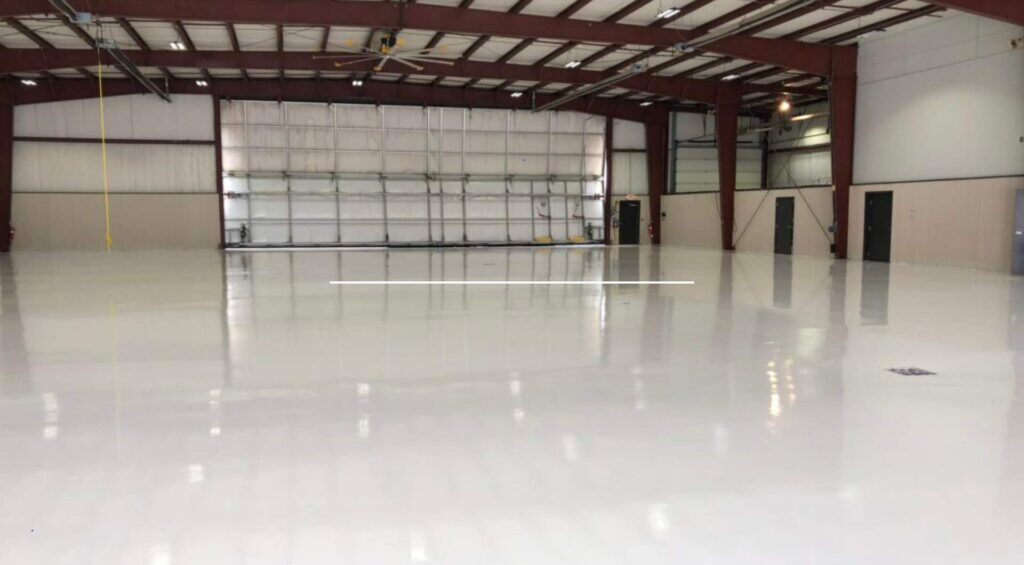
Is Epoxy Cheaper Than Other Types of Flooring?
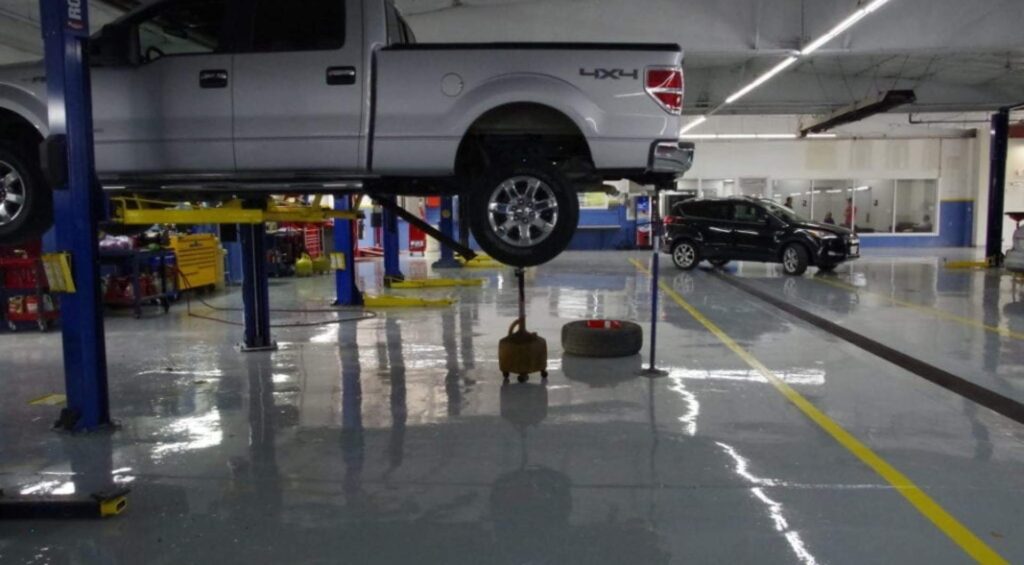
While epoxy can be pricier than other types of flooring up front, depending on type and customization, it can be a good investment for the long term. Epoxy holds up better than most other flooring options in terms of durability, water resistance, and high-traffic use.
Benefits of Epoxy Flooring
While epoxy may cost more than other flooring types, it has quite a few benefits that we think make this choice worth it. These include epoxy’s ability to be customized, ease of maintenance, and more.
Customizability
Epoxy flooring is an excellent option to customize your flooring needs. Epoxy can fit the needs and look of most spaces. Some customization options include adding:
- Colors
- Objects
- Layers and textures
- Patterns
- Designs
- Specks
- And more
Easy Maintenance
Epoxy flooring maintenance is easy, as it only requires daily sweeping and occasional wet mopping. Epoxy can also be cleaned with a variety of solutions, making it a more cost-effective option.
Lifespan and Durability
Solvent-based and solid epoxy floors can last 5-10 years, possibly longer, especially if sealed with polyurethane. They are also resistant to spills, stains, and water damage, making them a top choice for commercial properties. Some additional ways to increase the lifespan of your epoxy flooring are to:
- Use entry mats
- Clean spills immediately
- Avoid dragging heavy or sharp objects
- Consider re-coat for additional protection
Resale Value and Aesthetic Appeal
Epoxy flooring can enhance the resale value of your commercial property due to its exceptional durability and low maintenance requirements. Its sleek, professional appearance also improves the overall look of your flooring, which can make a strong impression on your clients or future tenants.
Transform Your Space With Treadwell’s Expert Commercial Epoxy Flooring Services
At Treadwell, we know how to transform your Kansas City commercial space with our epoxy flooring services. Our team of professionals can seamlessly install or repair epoxy flooring to meet your business’s specific needs.
Our epoxy services include:
- Decorative quartz epoxy
- Seamless epoxy flooring
- Static control ESD flooring
Contact us today to receive an estimate and discover how we can enhance your flooring with our professional and efficient epoxy services.
