• Services
    • Epoxy Flooring
    • Polished Concrete
    • Gypsum Underlayment
    • Specialty Services
    • concrete overlay
  • Portfolio
Treadwell – Kansas City Commercial Epoxy Flooring
  • About
    • Blog
    • Jobs
    • FAQs
    • Contact
  • Contact Us
  • Services
    • Epoxy Flooring
    • Gypsum Underlayment
    • Specialty Services
  • Portfolio
  • Design
  • About
    • Blog
    • Jobs
    • FAQs
    • Contact
You are here: Home » Uncategorized
how to clean epoxy flooring
Link Enlarge

Epoxy Floor Polishing: Easy Steps for a Professional Look

EPOXY FLOOR POLISHING: EASY STEPS FOR A PROFESSIONAL LOOK

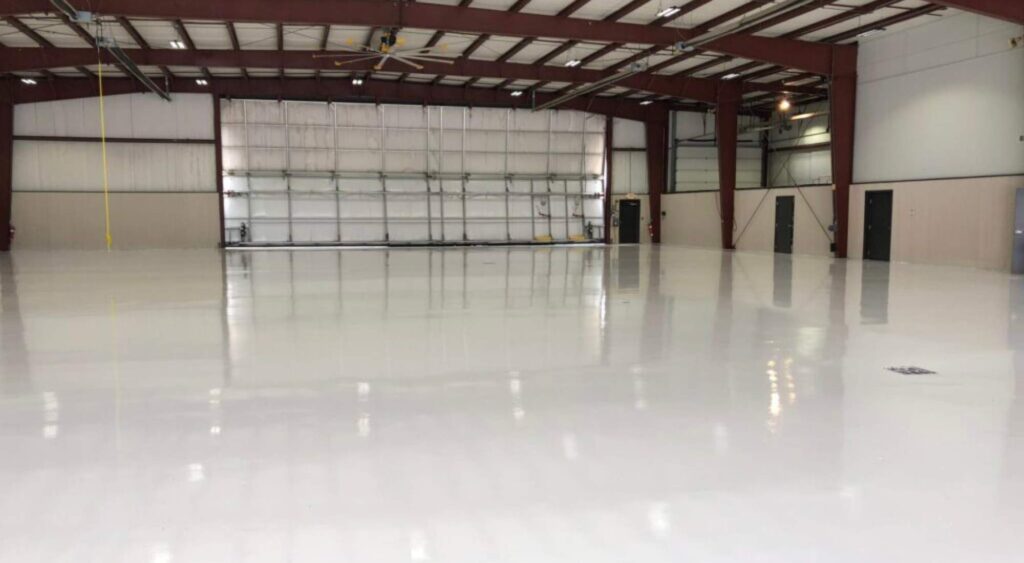
Now that you’ve got a beautiful, shiny floor, you want to keep it looking that way.

Whether it’s in an animal shelter or a healthcare facility, a well-maintained epoxy floor can help your space look clean and professional.

Perhaps you didn’t consider how to clean the epoxy floor coating before it was installed. Don’t worry, we’re here to help.

Keep reading to learn how to correctly maintain your floor in five easy steps, the benefits of epoxy floor polish, and the top cleaning tips to keep your epoxy floor looking new for years to come.

Table of Contents

  • How To Clean Epoxy-Painted Floors in 5 Easy Steps
  • What Cleaners Can You Use on Epoxy?
  • 6 Cleaning Tips to Keep Your Epoxy Floor Looking New
  • Why Epoxy Flooring Needs Regular Cleaning
  • Can Epoxy Flooring Be Polished?
  • Keep Your Epoxy Floors in Top Shape, The Treadwell Way
how to clean epoxy flooring

How to Clean Epoxy Floors in 5 Easy Steps

When cleaning your epoxy floors, start with a clean surface.

  1. Sweep: Sweep the area of dirt and debris using a manual broom, an auto-scrubber with a built-in sweeper, or an industrial broom.
  2. Rinse: Rinse the floor with clean water and use an industrial squeegee to dry it.
  3. Mix and pour the cleaner: Use a pH-balanced cleaning solution and follow the instructions to mix it in the appropriate ratio. Many floor scrubbers automatically mix the solution with water before dispensing it onto the floor. If you aren’t using a floor scrubber, mix the cleaning solution before applying it. Allow the cleaner to sit on the floor for two to five minutes.
  4. Scrub the floor: For larger commercial and industrial spaces, it’s best to use an auto-scrubber. Floor scrubbers deliver a consistent clean each time and are easy to use and maintain. Otherwise, you can use a stiff-bristle brush to agitate the grimy areas. Squeegee the dirty water to drain.
  5. Rinse thoroughly: Floor scrubbers remove the guesswork from the cleaning process by dispensing the right amount of water to rinse your floor after scrubbing. If you aren’t using a floor scrubber, pour water over the area and use the squeegee again to dry it.

Failing to clean or rinse your floors regularly and thoroughly can create a slick, slippery surface. Follow these steps and add this routine to your regular maintenance program to help keep your epoxy floors clean, long-lasting, and most of all, safe. 

Are you considering installing epoxy floor coating in your commercial facility in the greater Kansas City area? Look no further than Treadwell. Contact us today to learn why so many companies trust us as their premier epoxy flooring provider.

how to clean polished concrete floors cta

What Cleaners Can You Use on Epoxy?

It’s essential to use a pH-neutral floor cleaner. You can find one at your local home store. Be sure to read the product labels and look for “pH neutral” or a pH near 7. You can also make a pH-neutral cleaner using dishwashing detergent and hot water. But most importantly, remember step five, making sure you wash away your cleaner thoroughly.

Never use bleach, ammonia, citric acid, or vinegar on epoxy flooring. The cleaners can be too harsh and react with the epoxy’s chemicals, weakening the bond between the resin and the floor.

6 Cleaning Tips To Keep Your Epoxy Floor Looking New

#1: Sweep Daily

Sweeping your floors daily with a broom or mechanical cleaning equipment prevents dust and dirt from accumulating. If you’re using a mechanical sweeper, use a soft-bristle brush to avoid scratching the floor coating. A hard-bristle brush can cause the gloss to fade. 

Bonus tip: To minimize dirt and moisture accumulation, place mats at entryways.

#2: Scrub Weekly

How often you scrub may depend on the amount and type of grime that typically covers your epoxy floors. However, it’s best practice to scrub epoxy floors at least once a week. High-traffic areas and places where oil and grease are prevalent should be cleaned daily. Use the proper brush, detergent, mop, and bucket or a mechanized scrubber.

#3: Don’t Wait To Clean Spills

It’s essential to clean all liquid spills immediately, before they damage the floor finish or create a hazard. The longer harsh liquids, such as caustics, acids, and solvents, remain on a floor, the more likely they are to soften, discolor, or remove the sealing coating. If you frequently use chemicals in the area, consult your expert epoxy flooring installers for a guide to chemical-resistant sealant options.

#4: Repair Scratches and Gouges

It’s critical to the integrity of your epoxy floors to repair any large gouges or scratches as soon as possible. Deep cuts and gouges can allow moisture to penetrate beneath the coating, leading to peeling. 

Follow these steps to repair damage in your epoxy floor coating:

  • Clean the area of grease, oil, and grime with a heavy-duty powdered degreaser, such as TSP (trisodium phosphate) detergent.
  • You can sand the scratched area by hand with 100-grit sandpaper, then feather the edges until smooth.
  • Rinse the floor thoroughly and allow it to dry fully.
  • Repair the damaged area using the original coating material, according to the instructions.

If your epoxy floors are damaged and you’re unable to repair them using the above tips, contact the professionals at Treadwell. We test to determine the cause of the damage and identify the best flooring repair option available. Contact us today for epoxy floor repairs and services.

how to clean polished concrete floors cta

#5: Keep Up Stain Prevention

If you have stains on your epoxy floor, start with a mild solution, then use stronger removers until the stains disappear. Always wear rubber gloves and proper eye protection when working with any chemicals.

Grease and oil may stain your floor coating, especially if they remain on the floor and begin to dry. If a spill occurs, promptly scrub the area with TSP, following the label instructions carefully.

If you missed a spill, and it has dried, it may be difficult to remove the stain, or it can leave a film on your floor, making it harder to maintain. If this happens, try using a plastic tool to remove the residue. Be careful not to scratch the coating. Then, wet a clean cloth with a TSP cleaner and gently scrub the stained area.

#6: Remove Rubber Burns and Scuffs

Vehicle tires can leave rubber burns on the epoxy floor coating. Follow these steps to remove rubber burns:

  • Start by agitating and removing loose debris with a stiff brush, broom, or mechanical scrubber.
  • Mix a TSP degreaser or detergent with water to form an emulsion, apply it to the burn marks, and let it sit for a few minutes. 
  • Scrub the area with a semi-stiff nylon brush. 
  • Rinse thoroughly with water.
  • If the rubber scuff persists, repeat.
  • If the burn persists, consider using a steam cleaner to avoid damaging your epoxy.
how to clean epoxy flooring kansas city

Why Epoxy Flooring Needs Regular Cleaning

If you want your floors to last, it’s essential to establish a routine maintenance program. Regular cleaning will help you minimize scratching from abrasive dust and limit dirt buildup. 

Consistent maintenance for your epoxy floors should include:

  • Sweeping and mopping daily to remove any small particles
  • Cleaning spills as soon as possible
  • Scrubbing the floors thoroughly every week
  • Polishing the floors as needed

If you are looking for epoxy cleaning services, Treadwell can help keep your floors looking great for years to come. Contact us to get a quote and set up regular epoxy floor cleaning.

Benefits of Regular Maintenance

Regularly maintaining your epoxy floors has many benefits, including:

  • Keeping the floor free of scratches and reducing wear and tear.
  • Preventing certain chemicals from eroding and damaging the floor.
  • Ensuring the surface coating remains smooth and shiny.

Common Issues Without Cleaning

Without a regular maintenance cleaning schedule, you may experience the following common preventable issues:

  • Small scratches
  • Obvious signs of wear and tear
  • Erosion from chemical spills
  • A rough or bumpy-looking surface
  • Loss of shine and gloss on the top coating
how to clean epoxy flooring

Can Epoxy Flooring Be Polished?

Yes, maintaining your epoxy flooring with epoxy floor polish can be a great way to restore shine and remove minor imperfections. You can polish epoxy by:

  1. Cleaning the floor of dirt and debris
  2. Applying a specialized epoxy floor polish by mopping a thin layer across the floor
  3. Using a floor buffer with a soft pad to work the polish into the epoxy floor surface

Keeping your epoxy floors polished can provide a cleaner appearance, make maintenance easier, and protect the floor from wear and tear. 

Keep Your Epoxy Floors in Top Shape, The Treadwell Way

If you’re deciding on the best flooring for your business and want a no-nonsense surface that lasts, epoxy floors could be right for you as long as you follow our recommendations for maintenance.

If you found us late and have already experienced damage to your epoxy floors, the good news is, we can still help! 

At Treadwell, we repair and install epoxy flooring solutions for some of Kansas’s top companies. Our in-house team can fully install your new epoxy flooring, working evenings and weekends to limit disruptions to your operations. 

After an initial conversation, we provide a comprehensive quote and pledge to finish your installation or repair project on time and on budget. Contact us for top-rated commercial epoxy flooring services.

how to clean polished concrete floors cta

Start A Conversation

    Please note: We specialize in commercial flooring solutions. If your project is residential, we may not be the right fit.

    polished concrete floor professional clean
    Link Enlarge

    How To Clean Polished Concrete Floors: Tips From the Experts That Will Help Your Facility Shine

    HOW TO CLEAN POLISHED CONCRETE FLOORS: TIPS FROM THE EXPERTS THAT WILL HELP YOUR FACILITY SHINE

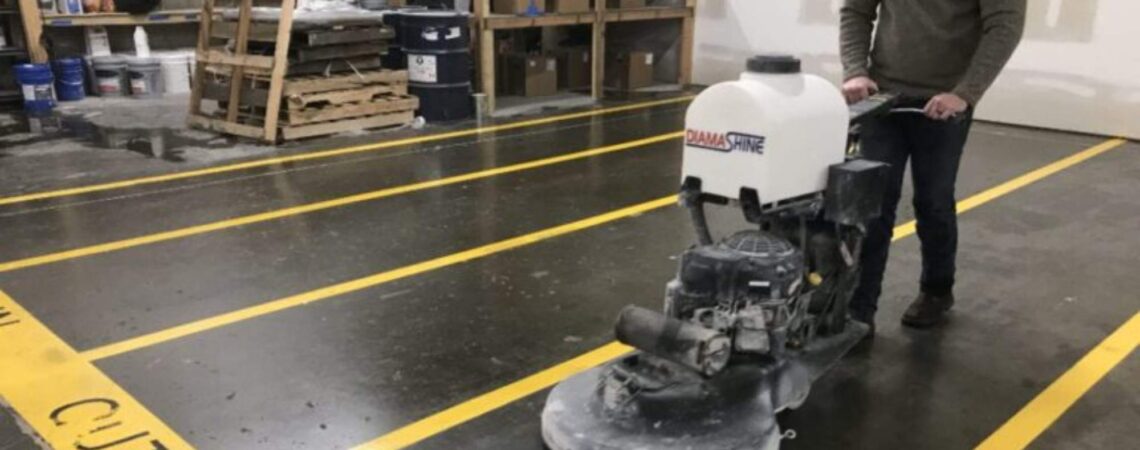
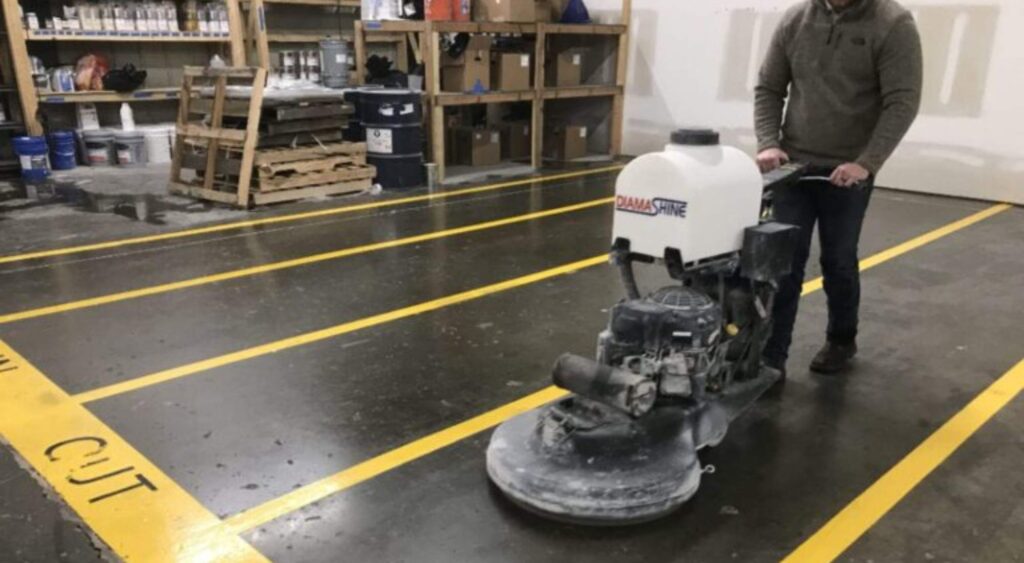
    You wouldn’t wipe the shiny paint on your car with a rag covered in sand, would you? That’s what you can expect when foot traffic goes across a dirty concrete floor. The debris, even if it’s as fine as dust, creates a sanding effect and scratches the floor’s surface.

    Working in a facility with a dirty concrete floor is not only aesthetically unappealing but can also pose a hazard since it can create an abrasive effect. We’re here to guide you through why it’s important to keep polished concrete clean and how to maintain it regularly. 

    We’ll provide step-by-step instructions and clever tips to clean polished concrete floors. You’ll have all the tools you need to conquer stubborn dust particles and grime buildup, and more importantly, you’ll read why the team at Treadwell is who you should call when in need of a more thorough refresh. Let’s dive in and show you how cleaning polished concrete floors can be a breeze.

    how to clean polished concrete floors kansas city

    Table of Contents

    • Why Is It Important To Regularly Clean and Maintain Polished Concrete Floors?
    • How To Clean a Polished Concrete Floor
    • What To Do When Cleaning Your Polished Concrete Floors No Longer Keeps Them Looking Their Best
    • How To Deal With Stains on Polished Concrete Floors
    • Treadwell Is a Top-Rated Polished Concrete Flooring Company in Kansas City
    how to clean polished concrete floors

    Why Is It Important To Regularly Clean and Maintain Polished Concrete Floors?

    In addition to being a sustainable alternative, polished concrete floors have many advantages, such as:

    • Resistance to moisture transmission issues
    • Longer service life
    • Cost savings

    There are numerous reasons you should regularly clean and maintain your polished concrete floors. Namely, proper maintenance helps to avoid slips and falls, prevents abrasion, and preserves the overall aesthetics of your facility. By following our recommendations, you are sure to prolong the lifetime of your polished concrete floor and keep it shiny.

    Help Avoid Slips and Falls

    A dirty polished concrete floor can pose a safety hazard as it also becomes more slick, so the likelihood of slips, falls and injuries increases. 

    Prevent Abrasion

    The presence of continuous debris creates an abrasive effect. When in contact with foot traffic, the debris will create a sanding effect and wear the floor to an uneven surface.

    Preserve Aesthetics

    When spills aren’t cleaned up quickly, they can etch and stain a polished concrete floor. Acids can take away shine and change the color of the flooring. To prevent discoloration and patchiness on your floor, we recommend acting swiftly in times like this when accidents occur.

    If not cleaned regularly, the buildup of debris can affect the aesthetics. Polished concrete should be bright and shiny. If it’s dirty, it dulls the appearance of the floor and the overall appearance of your facility.

    clean polished concrete floors kansas city

    How To Clean a Polished Concrete Floor

    Depending on the facility you are working with, the steps on how to clean a polished concrete floor will slightly differ. In the following sections, we dive deeper into the specifics of maintaining your concrete floor in large and small facilities, both of which Treadwell would be happy to help you with.

    Regular Maintenance for Larger Facilities

    There are two major manufacturers of chemical products used for polishing concrete, and they each have a maintenance system. This includes regular cleaning with auto-scrubbers with a very fine abrasive pad attached. All the major chemical companies make floor cleaner products with a neutral PH. If the PH is too low, it will be acidic and etch the floor. If the PH is too high, it will leave a sticky residue that attracts dirt, which would be counterproductive to your cleaning process. 

    When maintaining larger facilities, dilute the solution into the tank of the auto-scrubber and scrub regularly. Give the cleaner enough time to start breaking down the debris. If you apply a cleaning agent and then immediately vacuum it or mop it from the surface, the cleaner will not have the needed time for it to properly work. However, the cleaning solution shouldn’t stay too long so that it dries on the surface. Avoiding this can be accomplished by cleaning small areas and completing the entire process before moving on to other areas. 

    The frequency of cleaning is dependent on the foot traffic. For example, in hospitals, schools, and high-traffic retailers, the floors should be scrubbed daily.

    how to clean polished concrete floors

    Regular Maintenance for Smaller Facilities

    For a smaller facility, use the same type of cleaner. A properly diluted, good PH-neutral floor cleaner suspends and lifts the dirt particles. After this step, make sure you’re using clean mop heads to eliminate dirty, streaky residue and give yourself the best chance of removing dirty water instead of just spreading it around. Dust mopping with a microfiber cloth or pad regularly is recommended to remove abrasives.

    Most janitorial service companies or large businesses with cleaning supplies have dispensers that dilute the solution properly, but you can still do it accurately yourself by measuring and adding the right amount of water. However, employees in the cleaning industry know the regulations and standards the best, so occasionally implementing their expertise is the way to go.

    Quarterly Maintenance for Smaller Facilities

    We recommend you hire a janitorial service to come in with an auto-scrubber and do a deep clean either annually, twice a year, or quarterly, depending on the amount of traffic in your facility. 

    polished concrete floor professional clean

    What To Do When Cleaning Your Polished Concrete Floors No Longer Keeps Them Looking Their Best

    There comes a time in every facility when a simple floor cleaning no longer cuts it. There are several issues a concrete refresh can address, such as 

    • spill 
    • tire marks
    • tracked-in sand and dirt
    • water leak 
    • improper cleaning

    If 5 to 10 years have passed since your original installation, Treadwell can come in and refresh your facility’s floor through repolishing, reapplying a stain protector, as well as refurbishing – all done at a fraction of the cost of the original install. An assessment of your floor and an estimate of the price is very straightforward once you contact us and provide us with the relevant details. 

    How To Deal With Stains on Polished Concrete Floors

    Even though polished concrete flooring is renowned for its stain, moisture, and flood resistance, if a floor does get stained with substances that are more difficult to treat such as red wine or oil stains, you might damage your floor further if you attempt to remove the stain yourself. Oil stains may easily seep into the concrete and are very difficult to remove. Call Treadwell for a floor refresh that will restore the original look of your floor and exceed your expectations. 

    Treadwell Is a Top-Rated Polished Concrete Flooring Company in Kansas City

    The team at Treadwell is delighted to assist you with all your flooring needs. Whenever you find that your facility’s floor needs cleaning, a reinstallation, or simply a refresh, we can guarantee that our crew has the necessary tools and expertise to help your polished concrete floor regain and keep its shine for years to come. 

    Get in touch with us and we can tackle your flooring needs together.

    how to clean polished concrete floors

    Start A Conversation

      Please note: We specialize in commercial flooring solutions. If your project is residential, we may not be the right fit.

      is epoxy flooring anti static
      Link Enlarge

      No Sparks, No Surprises: Understanding Anti-Static Epoxy Flooring

      NO SPARKS, NO SURPRISES: UNDERSTANDING ANTI-STATIC EPOXY FLOORING

      Choosing the right anti-static epoxy flooring can feel complicated, especially when you’re balancing safety requirements, equipment sensitivity, and budget considerations. You may be unsure about which system will best protect your space.

      At Treadwell, we help businesses across industries design and install epoxy floors that go beyond appearance — they perform where it matters most. Anti-static systems are a prime example, protecting both people and equipment in environments where even a minor electrical discharge could cause major issues.

      In this guide, we’ll explain how anti-static epoxy flooring works, which industries rely on it most, and what the installation process involves. By the end, you’ll have the clarity you need to choose the right flooring system for your facility.

      Table of Contents

      • What Is an Anti-Static Floor?
      • Is All Epoxy Flooring Anti-Static?
      • Industries That Rely on Anti-Static Epoxy Flooring
      • How Is Anti-Static Epoxy Flooring Installed?
      • What Are the Two Main Types of Anti-Static Flooring Systems?
      • Partner With Treadwell for Expert Anti-Static Flooring Solutions
      epoxy flooring services

      What Is an Anti-Static Floor?

      An anti-static floor is a specially designed flooring system that helps control the buildup and discharge of static electricity. In many environments, even a small electrostatic discharge can damage sensitive equipment, interfere with operations, or pose a safety risk. 

      Anti-static flooring prevents this by safely grounding electrical charges, either by dissipating them at a controlled rate or by conducting them directly to a grounding point. The result is a safer, more stable surface that protects both people and technology.

      Several types of flooring materials can be made anti-static. Epoxy resin is one of the most popular options because it offers a seamless, durable surface that can incorporate conductive or dissipative additives directly into the system. Other materials include vinyl, rubber, and carpet tiles with embedded carbon fibers or conductive backing layers designed to reduce static buildup. Some industries also use urethane or tile systems, depending on their performance needs and maintenance preferences.

      The key difference between anti-static and standard flooring lies in how they manage electrical charges. Traditional floors allow static to accumulate as people walk or equipment moves across the surface. In contrast, anti-static floors are engineered to control that charge from the moment it forms, ensuring it’s safely transferred away from the surface. This makes them essential in environments where precision, safety, and reliability are non-negotiable.

      Is All Epoxy Flooring Anti-Static?

      No. Epoxy floors can be formulated to be anti-static or static-dissipative, depending on the specific additives or conductive materials incorporated during the application process. 

      Normally, epoxy flooring is a non-conductive material that can allow static charges to build up. Adding resins, carbon-based additives, or metallic compounds makes epoxy flooring anti-static because these materials help dissipate electricity. 

      An anti-static epoxy floor coating is commonly used in clean rooms, areas where electronics are manufactured, or where static control is essential. 

      anti static epoxy flooring

      Industries That Rely on Anti-Static Epoxy Flooring

      Anti-static epoxy flooring is essential for industries where static electricity can pose significant risks to both workers and sensitive equipment. These are some of the most common industries that benefit from anti-static epoxy flooring: 

      • Electronics manufacturing: This industry requires strict control of static electricity to avoid damaging delicate devices used in the production of microchips, circuit boards, and other electronic components. 
      • Semiconductor industry: Since small electrostatic discharges can cause irreparable damage during the manufacturing of chips and circuits, anti-static flooring is critical. 
      • Pharmaceuticals: Clean rooms in pharmaceutical manufacturing require static control to prevent contamination and ensure the product’s quality will not be affected, especially for medications and sterile equipment. 
      • Data centers or information technology facilities: These house critical IT infrastructure. Anti-static flooring helps protect servers and other electronic equipment from potential damage due to static electricity and the dryness of the air in this type of location. 
      • Medical device manufacturing: Since medical devices often contain delicate electronics, anti-static flooring is used in manufacturing areas to prevent damage and ensure the product’s reliability and safety. 
      • Automotive industry: In automotive electronics manufacturing, anti-static flooring helps protect sensitive components in electrical systems, sensors, and control units. 
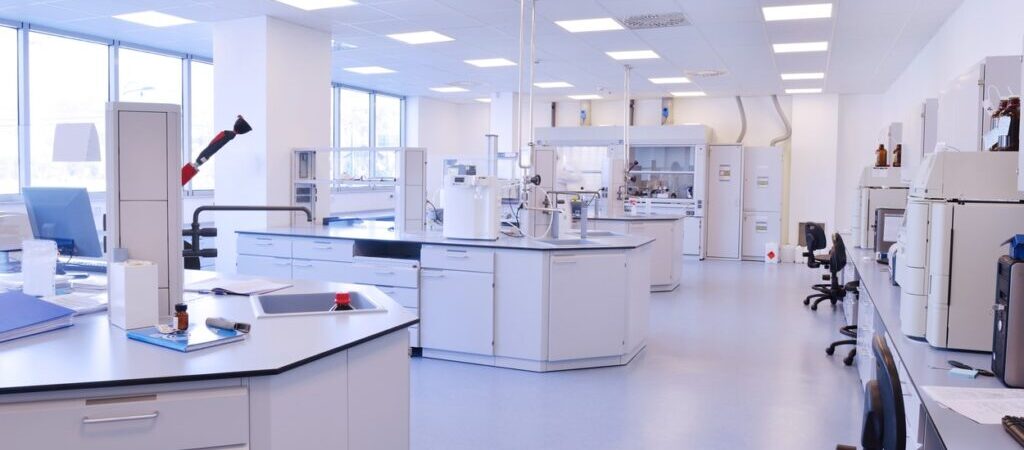
      • Research labs: Sensitive equipment used in laboratories, such as microscopes or testing devices, relies heavily on anti-static flooring to maintain an environment that will not affect them and their research results.
      kansas city anti static epoxy

      How Is Anti-Static Epoxy Flooring Installed?

      The installation of anti-static epoxy flooring is extremely important to ensure its effectiveness at dissipating static electricity.

      For the best results and to guarantee proper installation, reach out to Treadwell’s team of skilled professionals. Our experts can ensure your flooring is installed correctly, providing you with long-lasting protection and optimal performance. 

      Floor Preparation

      The existing floor must be thoroughly cleaned and prepared to ensure proper adhesion of the epoxy. This includes removing old coatings, dirt, dust, grease, and any other particles that may interfere with the proper application of the products. 

      In some cases, the surface may need to be ground or shot-blasted to create a rough texture where the epoxy can bond more effectively.

      Laying Copper Tape

      Copper tape serves as a conductive pathway to direct static electricity away from the floor’s surface and into the grounding system. After the floor is prepped, we ground it by running copper tape to an electrical outlet or a metal column. The tape is secured to the grounding point, then run vertically to the surface and laid horizontally across the floor.

      Given the critical importance of proper grounding, it is crucial that you reach out to experts to ensure the effectiveness and safety of your flooring installation. The skilled professionals at Treadwell have years of experience with anti-static epoxy flooring and will ensure that all codes and guidelines are followed, including a sufficient number of grounding locations for the square footage of the space.

      Applying Primer and Body Coats

      A primer is applied to the prepared surface to improve the adhesion of the epoxy coating. This can also contain anti-static properties depending on the requirements of the facility. 

      Primers normally contain several components to facilitate their application, adherence, and resistance to the flooring. Some of these components include:

      • Epoxy resin: This provides a strong adhesive bond with the anti-static topcoat. Resin makes the flooring durable and resistant to wear. 
      • Conductive additives: Additives are incorporated to help control and dissipate static charges. The conductive materials allow the primer to create a path for electrostatic discharge to flow safely to the ground. 
      • Filler materials: Additional components may be aggregated to enhance the texture, help with leveling, and improve the bonding capabilities of the materials. 
      epoxy flooring services

      Testing

      Testing is the most important step in the anti-static epoxy flooring installation process. We use specific testing equipment that measures the conductivity or resistance in ohms. The device sits on the floor with probes that make contact and give readings about the amount of static detected. As long as you’re within specified limits, the floor is safe as an anti-static surface.

      Testing is extremely important. If the floor hasn’t been installed correctly, the results could be devastating to your business and its equipment. You can trust the experts at Treadwell to get the job done right the first time!

      is epoxy flooring anti static

      What Are the Two Main Types of Anti-Static Flooring Systems?

      ESD (Electrostatic Discharge) Dissipative and ESD Conductive are types of flooring designed to protect sensitive electronic equipment from static electricity. 

      ESD is specially designed to dissipate static electricity by directing it away from sensitive areas where it could damage devices such as IT servers.

      On the other hand, ESD Conductive flooring is designed to control static electricity rather than dissipate it. Because it does not allow an immediate discharge, it ensures an environment where electrostatic charges are kept within safe limits. Although both are important, they technically serve different purposes based on the level of static control required. 

      At Treadwell, we primarily install ESD anti-static epoxy flooring systems, but if your job requires an ESD Conductive option, we can source the required materials to make this happen.

      Partner With Treadwell for Expert Anti-Static Flooring Solutions

      If you are thinking about getting anti-static epoxy flooring in Kansas City or the surrounding areas, you can trust the team at Treadwell.

      We are here to help you create a safe, static-controlled environment. Our installation process involves precise steps that require the best materials, trained professionals, and years of experience. 

      Treadwell can install the perfect anti-static epoxy flooring that adapts entirely to your needs. Contact us today to get started.

      epoxy flooring services

      Start A Conversation

        Please note: We specialize in commercial flooring solutions. If your project is residential, we may not be the right fit.

        Treadwell Announces Kyle Loseke As President

        Treadwell Announces Kyle Loseke As President

        Olathe, KS – Treadwell is pleased to announce the promotion of Kyle Loseke to the position of President. Loseke, who joined the company in 2014, has played a key role in the company’s growth over the past several years.

        Loseke began his career with Treadwell as a project manager, quickly rising through the ranks to become the company’s operations manager and then COO. During his time with the company, he has consistently demonstrated a deep understanding of the flooring industry and a commitment to delivering exceptional service to Treadwell’s customers.

        “Kyle has been an integral part of Treadwell’s success over the years, and we are thrilled to promote him to the position of President,” said Will Buchanan, Founder. “His leadership, industry knowledge, and ability to grow the company make him the perfect fit for this role, and we are excited to see where he takes Treadwell in the years to come.”

        As President, Loseke will be responsible for overseeing all aspects of Treadwell’s day to day business including operations and sales. He will also work closely with the company’s leadership team to develop and execute on Treadwell’s strategic vision for the future.

        “I am honored to be named President of Treadwell,” said Loseke. “I have had the privilege of working with an incredibly talented team of professionals over the past 9 years, and I am excited to continue to build on the momentum we have created.”

        For more information about Treadwell and its services, please visit the company’s website at www.wetreadwell.com.

        • 1
        • 2

        Contact

        Address: 1707 East 123rd Terrace
        Olathe, KS 66061
        Phone: (913) 396 6216

        Menu

        • Areas
          • Epoxy Flooring Kansas City
          • Epoxy Flooring Lawrence, KS
          • Epoxy Flooring Topeka, KS
        • Commercial Flooring Services
          • Polished Concrete
          • Stained Concrete
          • Grind and Seal Concrete
          • Decorative Concrete
        • Flooring By Industry
        • Portfolio
        • Privacy Policy

        About Us

        Treadwell specializes in the installation of durable surfaces that include epoxy flooring, polished concrete, gypsum underlayments and more. We install floors that are sanitary, long lasting and low maintenance . We service the central midwest from our Kansas City area headquarters.
        Top