
COMMERCIAL VS. RESIDENTIAL EPOXY FLOORING: CHOOSING THE RIGHT FLOORING FOR YOUR SPACE
You’ve probably seen the sleek, glossy finish of an epoxy floor in everything from car showrooms to high-end garages. But while the look might be similar, commercial and residential epoxy flooring serve very different purposes.
In this post, we’ll help you understand what sets commercial epoxy flooring apart from residential epoxy. The epoxy used in a commercial facility must withstand constant wear, heavy equipment, and strict safety standards — challenges a residential floor doesn’t have to face.
We’ll break down the key differences between commercial and residential epoxy flooring, highlight the unique benefits of industrial-grade coatings, and explain why professional installation and product quality matter.
Table of Contents
Which Is Best? Commercial vs. Residential Epoxy Flooring
Choosing between commercial and residential epoxy flooring is more than focusing on how it looks — it’s about how well it performs. Residential epoxy floors are made for lighter use, often chosen for places where appearance matters more than durability. They’re thinner, more decorative, and not built to handle constant traffic or heavy machinery.
Commercial epoxy flooring, on the other hand, is designed to work hard. It’s thicker, stronger, slip-resistant, and made to meet safety and performance standards that keep busy facilities running smoothly.
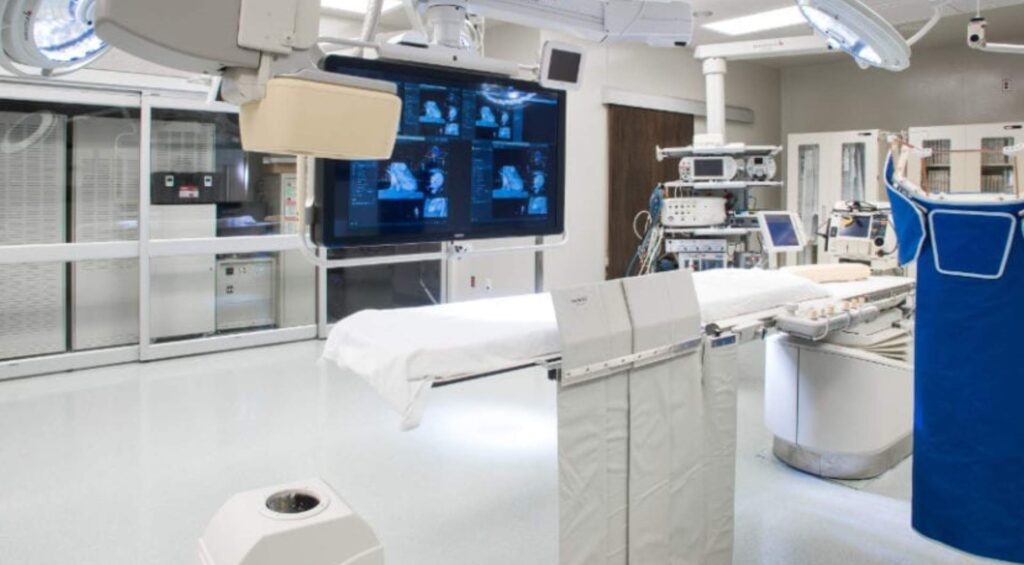
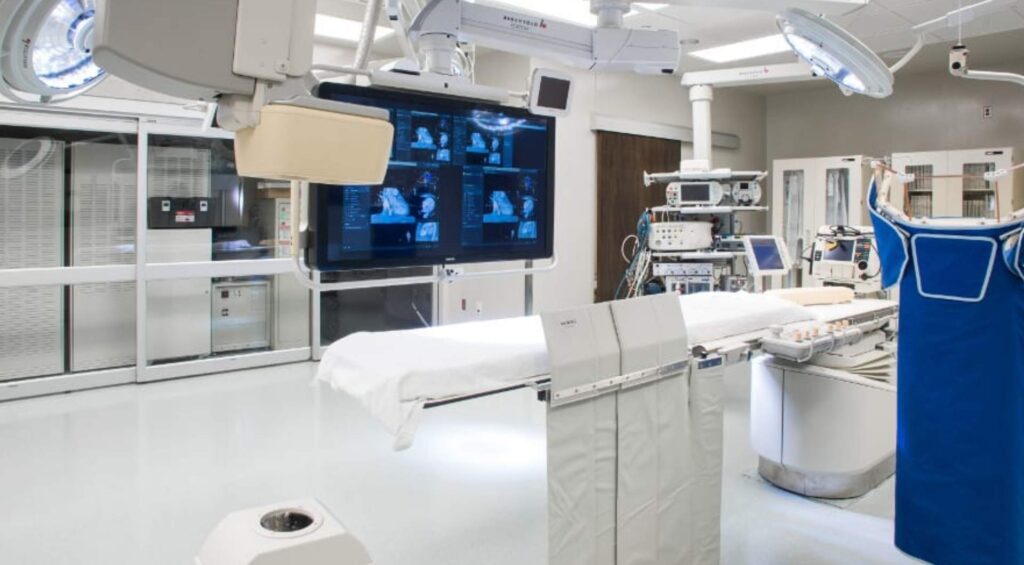
At Treadwell, we know that reliability and durability count, which is why we’re commercial epoxy flooring professionals. Our floors are built to handle daily wear in:
- Warehouses
- Airplane hangars
- Car dealerships
- Hospitals
- Restaurants
- Labs
- Schools
- And more
We know what it takes to create a floor that holds up under pressure and still looks sharp.
So, which is best? For businesses, there’s no question. Commercial epoxy flooring outlasts, outperforms, and outworks residential options every time. If your space demands strength and longevity, Treadwell delivers flooring systems made to stand the test of time.

5 Key Differences Between Residential and Commercial Epoxy Flooring
#1: Thickness, Durability, & Performance
One of the biggest differences between commercial and residential epoxy flooring comes down to how much wear and tear each is built to handle. Commercial epoxy floors are made for demanding environments — think warehouses, hospitals, or manufacturing facilities where vehicles, machinery, chemicals, oils, and acids are part of daily operations. These systems are much thicker — often 5mm or more — and can include extra topcoats such as urethane or polyaspartic layers for added protection and longevity. With proper maintenance, commercial epoxy can last 10–20 years or more, even under constant use.
Residential epoxy floors are designed for lighter traffic and daily household needs. You’ll often see them in garages or basements where the goal is a clean, attractive finish. These coatings are typically only 2–3 mm thick and normally only last 5–10 years on average.
In short, commercial epoxy flooring is engineered for extreme durability and performance. It’s built to handle high stress, harsh conditions, and nonstop activity — while residential epoxy simply doesn’t need to meet those same heavy-duty standards.
#2: Aesthetics
When it comes to appearance, commercial epoxy flooring tends to prioritize function over flash. Most businesses prefer high performance and staying power over elaborate designs. But that doesn’t mean commercial floors have to look plain. Many facilities, especially showrooms, retail spaces, and branded environments, choose to incorporate decorative flakes, color options, and custom finishes that reflect their brand or enhance the space’s professional feel. The goal is a clean, cohesive look that performs under pressure and still represents the business well.
In contrast, residential epoxy floors put more emphasis on visual appeal. Homeowners often choose from metallic effects, multi-color blends, or unique textures to create a customized look that fits their style. These finishes add personality and warmth, but residential epoxy flooring typically isn’t designed to hold up under harsh conditions.
#3: Cost
At first glance, commercial epoxy flooring might seem more expensive — and that may be true when you look solely at the upfront cost. Commercial systems use higher-grade materials, thicker layers, and more complex installation processes, all of which add to the initial investment. However, the payoff comes in the form of a longer performance lifespan and lower maintenance costs. Because these floors are designed to last for decades with proper care, they often end up saving businesses money in the long run.
Residential epoxy floors can be less expensive to install because they require fewer materials and simpler prep work. Costs can rise, though, if homeowners opt for premium decorative finishes or custom designs. The added cost over the floor’s lifetime can increase as well, since residential epoxy isn’t as durable.
#4: Installation Process
Installing commercial epoxy flooring is usually a more involved process that requires precision and expertise. It often starts with extensive surface preparation, including grinding or shot blasting, to ensure a strong bond. The system is then built in multiple layers — primer, base coat, and protective topcoats — each designed to enhance strength, safety, and chemical resistance. Because of the thicker materials and curing times, commercial installations can take longer but result in a far more durable finish.
Residential installations are typically quicker and less complex. Since home environments don’t demand the same level of performance, contractors can usually complete the process in a few days using thinner coatings and less complex systems.
At Treadwell, we specialize in the level of detail needed for commercial epoxy flooring. Our team is trained to manage every step of the installation process, ensuring your floors are not only strong and compliant but also finished to the highest professional standards.
#5: Chemical & Slip Resistance
In commercial settings, resistance to chemicals and slips isn’t optional — it’s essential, and often required. Facilities like manufacturing plants, restaurants, hospitals, and labs need flooring that withstands spills, cleaners, oils, and other harsh substances without damage.
Many commercial epoxy systems are also designed with texture or slip-resistant surfaces to prevent accidents and maintain safety standards. The Treadwell team has the experience and knowledge to install epoxy flooring that protects the well-being of employees and consumers alike.
For residential floors, chemical spills and slip resistance matter far less. The main concern might be oil stains or light cleaning, which standard epoxy coatings can handle. But in spaces where safety and performance are critical every day, commercial-grade epoxy flooring is built to go the extra mile.
Commonly Asked Questions About Commercial vs. Residential Epoxy Flooring
Can I Use Commercial Epoxy Flooring in My Home?
Yes, you can — and many homeowners choose commercial epoxy flooring over residential epoxy. Commercial-grade epoxy offers superior strength, durability, and resistance to wear, which makes it an excellent choice for high-traffic home areas. While it’s typically designed for demanding environments, it delivers unmatched protection and service life in residential settings too.
Can Slip-Resistant Additives Be Applied to Garage Floors?
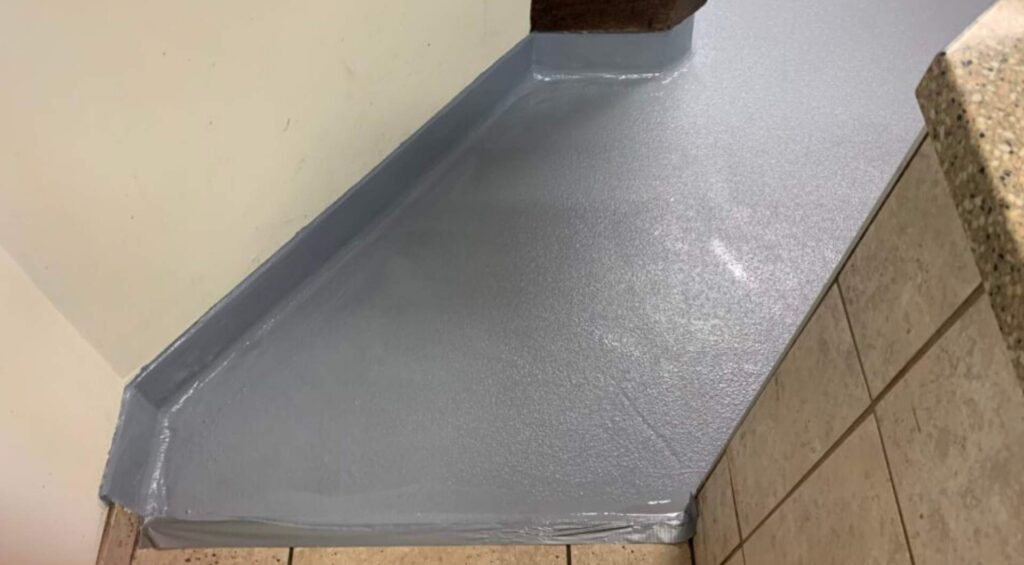
Absolutely. Slip-resistant additives like grit textures, quartz blends, or anti-skid sealants can be applied to garage epoxy floors to create a safer surface without sacrificing style. These features help prevent accidents from oil, water, or other spills while maintaining excellent stain and chemical resistance. At Treadwell, we regularly incorporate slip-resistant finishes into our commercial epoxy flooring projects and know how beneficial they can be to your space.
Are Commercial and Residential Epoxy Floorings Environmentally Friendly?
Today’s epoxy systems, both residential and commercial, are far more eco-conscious than older formulations. Most commercial epoxy coatings are now classified as low-VOC or zero-VOC, meaning they emit fewer harmful chemicals during installation. Plus, their long service life means fewer replacements and less waste over time. Treadwell only uses high-performance, low-emission products in our commercial installations, helping businesses and property owners meet environmental standards without compromising strength or quality. It’s a win for your floors and the planet.
Treadwell: Your Choice for Professional Commercial Flooring Solutions in Kansas City and Beyond
When it comes to comparing commercial vs. residential epoxy flooring, the difference is in the details — and that’s where Treadwell stands apart. We focus exclusively on commercial and industrial epoxy systems, meaning every floor we install is engineered for performance, safety, and longevity. Our team understands the unique demands of commercial spaces, from heavy machinery and high foot traffic to strict compliance and hygiene standards.
Whether you’re managing a warehouse, hospital, retail store, or production facility, Treadwell delivers flooring that works as hard as you do. With expert installation, premium materials, and a proven track record of results, we help businesses create spaces that are safer, stronger, and easier to maintain.
Ready to see what a Treadwell epoxy floor can do for your facility? Contact us today to schedule a consultation, and together we’ll design your long-lasting, high-performance epoxy flooring system.
