
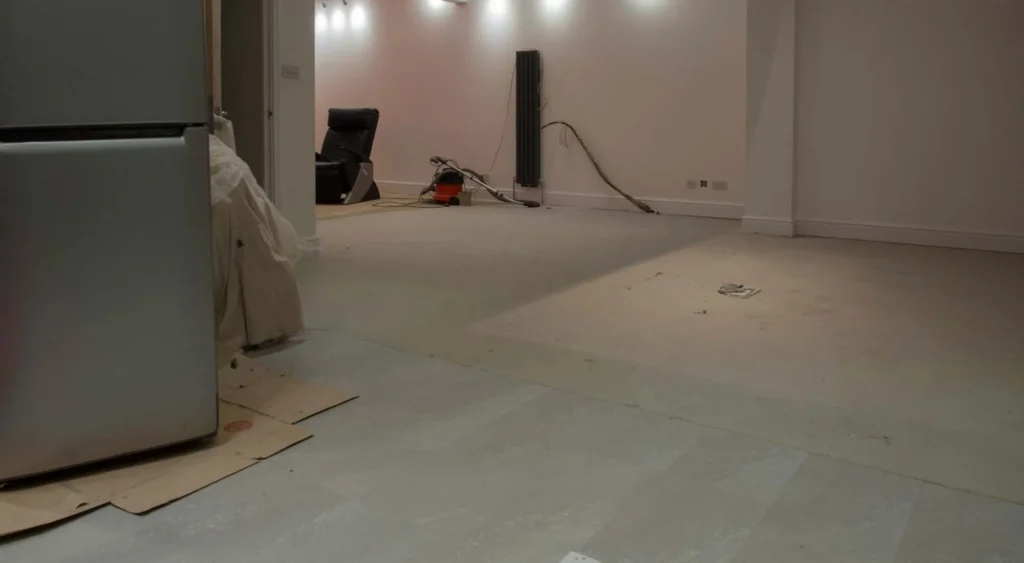
A Strong Foundation: Why To Use Gypsum Cement Underlayment
Choosing an underlayment affects more than how the finished floor looks. In apartments, hotels, and other wood-frame commercial buildings, it also plays a role in fire resistance, sound control, and the construction schedule. The right choice needs to support those demands while providing a smooth, stable base for finish flooring.
Why use gypsum cement underlayment? Its ability to address several flooring needs in one application makes it a practical option for many commercial projects. Getting the full benefit, though, requires the right product, proper installation, and enough drying time before flooring goes down.
Below, we’ll explain where gypsum cement underlayment works best, what to expect during installation and drying, and which mistakes can compromise its performance.
Table of Contents
What Is Gypsum Cement Underlayment?
Gypsum underlayment is a self-leveling blend of gypsum plaster, Portland cement, and sand that you pour over wood or concrete subfloors to create a flat, stable base for finish flooring. It’s not structural on its own. It always needs a solid substrate beneath it, whether that’s wood sheathing or an existing concrete slab.
What sets gypsum apart on the job site is thickness per pour. It can go down to three inches thick in a single lift, compared to roughly one inch for traditional cement levelers. On a multi-trade schedule where flooring crews are waiting their turn behind framers, electricians, and drywall, that difference moves the whole project along faster.
Gypsum isn’t a universal fit, though. It works best over wood subfloors and concrete slabs with a proper vapor barrier. It’s not recommended over unstable substrates like OSB, hardwood, or masonite, and it shouldn’t go over a slab on grade without moisture mitigation underneath it. Knowing which substrate you’re working with up front avoids a costly mismatch later.
Not sure if gypsum is the right call for your next build? Start your project with Treadwell and get a straight answer on what your subfloor actually needs.

3 Reasons To Use Gypsum Cement Underlayment
Commercial flooring systems need to do more than support the finished surface. In apartments, senior living communities, and hotels, the materials beneath the flooring also contribute to fire resistance, sound control, and everyday comfort. Those considerations are especially important in wood-frame construction, where floor and ceiling assemblies must meet specific performance requirements.
Gypsum cement underlayment can help address these needs while providing a smooth base for a range of flooring materials. Here are three reasons to consider it for your project.
#1: Support Fire Resistance in Wood-Frame Buildings
Gypsum cement underlayment can contribute to the fire resistance of a wood-frame floor and ceiling assembly. Certain tested assemblies incorporating a 3/4-inch gypsum underlayment achieve a one-hour fire rating, helping limit the spread of fire between stories.
The rating applies to the complete assembly, including the subfloor, framing, ceiling, and other specified components. Selecting an underlayment that fits the approved design helps contractors meet project requirements while accounting for floor thickness, weight, and installation needs.
#2: Reduce Sound Transfer Between Floors
Sound control affects how residents and guests experience a building. Footsteps, moving furniture, and conversations can become recurring disruptions when sound travels easily between floors.
When paired with a compatible sound mat and properly designed floor and ceiling assembly, gypsum cement underlayment can help reduce both airborne and impact sound transmission. These are measured through sound transmission class (STC) and impact insulation class (IIC) ratings. Choosing a tested system helps project teams address the International Building Code sound transmission requirements while creating more comfortable living and guest spaces.
#3: Create a Smooth Base for Finish Flooring
An uneven subfloor can complicate flooring installation and affect the appearance of the finished surface. Gypsum cement underlayment helps fill low areas and create a flat, uniform base for carpet, luxury vinyl tile, and other compatible flooring materials.
Its low-shrinkage properties help maintain that surface as the material sets. With proper substrate preparation, drying, and any required surface treatment, gypsum provides a base for the specified flooring system. Treadwell installs gypsum concrete underlayment in Kansas City to help contractors prepare their floors for the next stage of construction.
How Long Does Gypsum Underlayment Take To Dry?
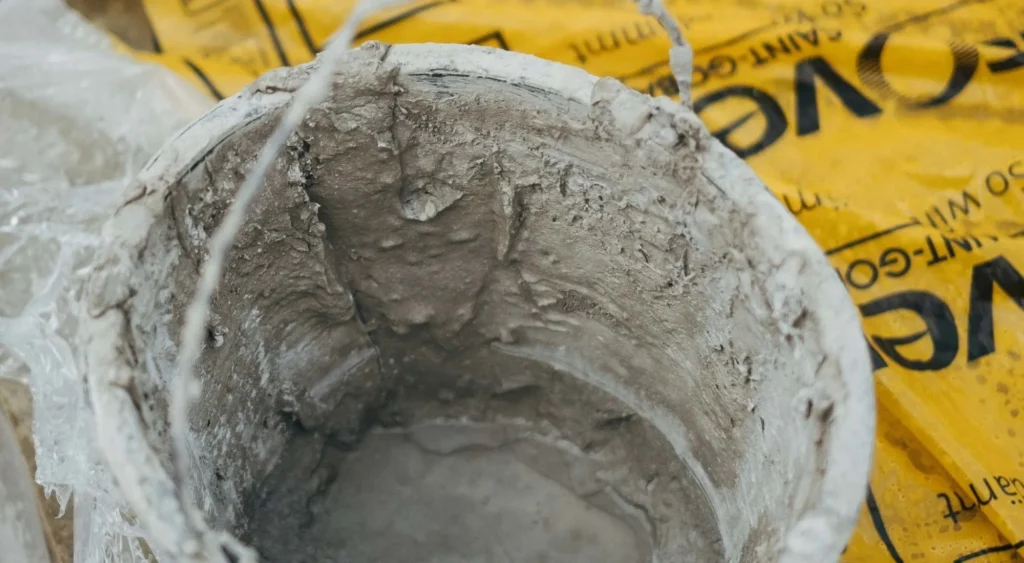
Gypsum cures fast; it’s often walkable within hours, but drying is a separate process that typically takes five to seven days depending on thickness and ventilation. Cure time refers to strength; drying time refers to the slab losing all moisture, and you shouldn’t install finish flooring until that moisture is gone.
Mechanical ventilation, fans, and controlled indoor temperature all speed up drying. On a multi-trade schedule, this distinction matters: a floor that feels dry to the touch after a day can still trap moisture underneath vinyl or wood flooring installed too soon.
What Should You Consider Before Installing Gypsum Underlayment?
Gypsum underlayment can develop problems when the mix, installation conditions, or construction schedule do not match the product’s requirements. A weak surface, damage from other trades, or moisture beneath finished flooring can lead to additional preparation, installation delays, and repairs.
Preventing these issues starts with choosing a product suited to the project and following the manufacturer’s instructions throughout installation and drying. Below are three areas that require particular attention.
#1: Incorrect Mixing Can Weaken the Surface
The proportions of gypsum cement, sand, and water affect the strength and consistency of the finished underlayment. Excess water or an incorrect sand ratio can leave a soft, dusty surface that requires treatment or repair before flooring can be installed.
Each product has its own mixing instructions and compressive strength specifications. Installers need to follow those requirements and confirm that the selected product meets the demands of the flooring system and its expected use.
#2: Poor Scheduling Can Expose the Underlayment to Damage
Underlayment installation needs to be coordinated with drywall work and other construction activities. Pouring too early can expose the surface to debris, heavy traffic, equipment, and spills that damage or contaminate it before finish flooring is installed.
The schedule should allow time for installation, drying, and any required surface preparation. Once the underlayment is in place, protecting it from subsequent construction activity helps preserve its condition and reduce avoidable repairs.
#3: Uncontrolled Conditions Can Delay Drying
Temperature, humidity, ventilation, and pour thickness all affect how quickly gypsum underlayment dries. High humidity and limited airflow can extend that process, even after the surface is firm enough to walk on.
Maintaining the manufacturer’s recommended indoor conditions helps support proper setting and drying. Ventilation and dehumidification may also help when introduced at the appropriate stage. Before installing finish flooring, moisture testing should confirm that the underlayment meets the requirements of the selected flooring and adhesive system. Covering it too soon can contribute to adhesive failure or flooring damage.
For more information about installation considerations, visit Treadwell’s FAQs about gypsum underlayment.
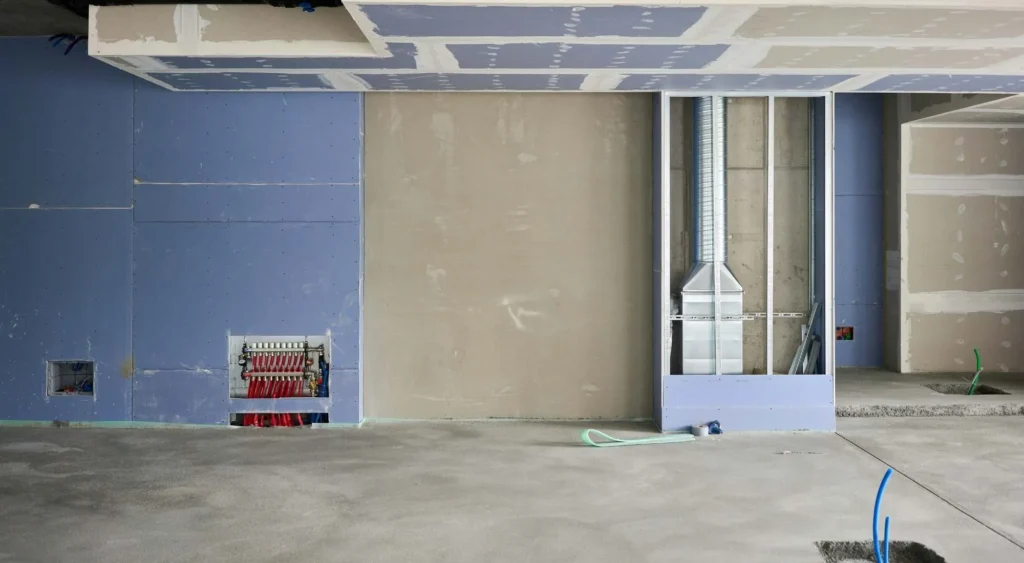
Plan Your Kansas City Gypsum Underlayment Project With Treadwell
Choosing the right underlayment starts with understanding your building, flooring requirements, and construction schedule. Treadwell works with Kansas City contractors to determine whether gypsum cement underlayment fits their projects and coordinate installation with the next stages of construction.
Whether you’re planning apartments, a hotel, or a senior living community, we can help you prepare a smooth, uniform base for your finished flooring.
Contact Treadwell to discuss your project’s requirements and request a gypsum underlayment quote.
