• Services
    • Epoxy Flooring
    • Polished Concrete
    • Gypsum Underlayment
    • Specialty Services
    • concrete overlay
  • Portfolio
Treadwell – Kansas City Commercial Epoxy Flooring
  • About
    • Blog
    • Jobs
    • FAQs
    • Contact
  • Contact Us
  • Services
    • Epoxy Flooring
    • Gypsum Underlayment
    • Specialty Services
  • Portfolio
  • Design
  • About
    • Blog
    • Jobs
    • FAQs
    • Contact
You are here: Home » Residential Newsletter

4 Reasons to Epoxy a Basement Floor

4 REASONS TO EPOXY A BASEMENT FLOOR

4 REASONS TO EPOXY A BASEMENT FLOOR

Did you know there’s an easy way to make your basement floor waterproof, resistant to mold, and easy to clean? Epoxy protects your basement floor with a durable and strong coating, all while providing a stunning finish. Here are four reasons why adding an epoxy coating to your basement floor is a no-brainer.
WATERPROOF AND RESISTANT TO MOLD

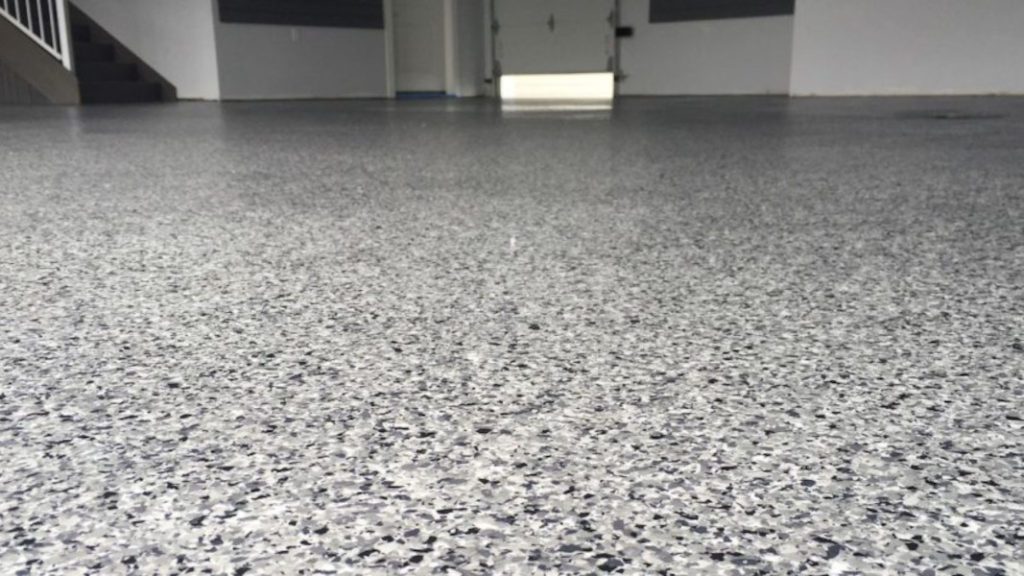
Basement floors are common breeding grounds for mold, mildew, and other harmful bacteria. If your basement is damp, protection against moisture is essential to prevent water damage and health risks. Epoxy flooring protects your basement floor from moisture, preventing leaks or spills from seeping into the floor below and causing structural damage. Water sits on top of epoxy, making it easy to clean. Epoxy is also resistant to germs and bacteria, eliminating any mold or mildew issues for your basement floor.

EASIER TO CLEAN AND MAINTAIN

A basement floor that is easy to clean and maintain makes life much easier and stress-free. An epoxy basement floor coating requires little time and effort to touch up. It offers a smooth surface that is easy to clean. The topcoat is resistant to dirt, dust, and stains, quickly vacuumed up or mopped away. Epoxy coating is also slip-resistant, making clean up much faster and safer.

PROVIDES STRONG AND DURABLE PROTECTION

Durability is the most crucial feature of a basement floor. You need something that protects your concrete flooring for years to come. Epoxy is a popular choice for homeowners due to its long-lasting durability. It covers the floor beneath from cracks and stains and takes many years to wear or peel away. It also offers a great base if you decide to install different basement flooring in the future.

OFFERS A STUNNING FINISH

Epoxy not only provides durability and strong water protection, but it also leaves a beautiful finish to your basement floor. Epoxy floors offer many different colors and attractive styles to match your basement. Whether you prefer bright colors or something more muted, an epoxy basement floor provides the perfect finishing touch to your style.
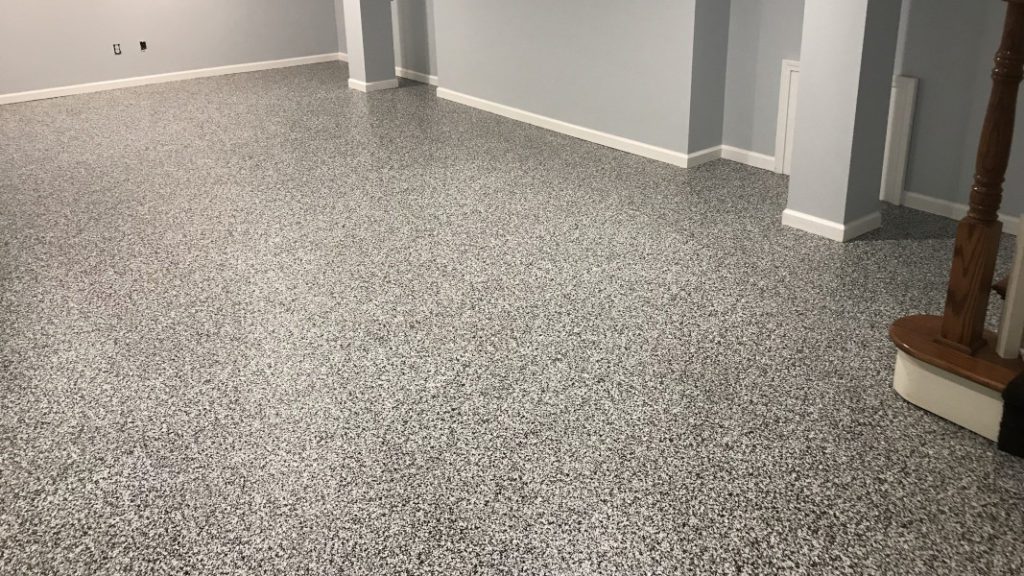
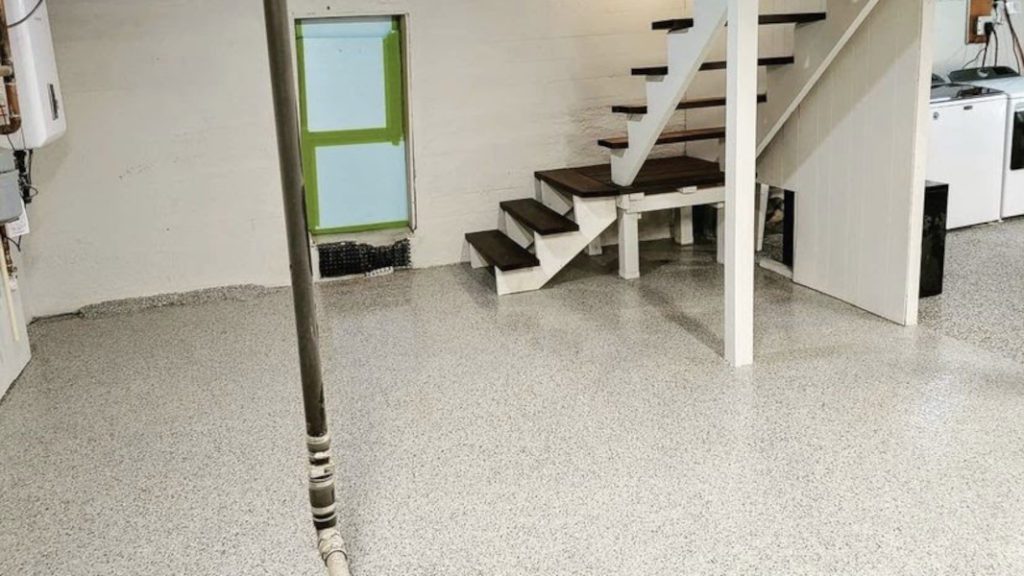
Is this the best option for you?

If you’re ready to epoxy your basement floor, contact Treadwell today! We will analyze your needs and provide a no cost recommendation.

Start A Conversation

    Please note: We specialize in commercial flooring solutions. If your project is residential, we may not be the right fit.

    Why Epoxy is Great for Garages

    WHY EPOXY IS GREAT FOR GARAGES

    WHY EPOXY IS GREAT FOR GARAGES

    Your garage floor goes through a lot of abuse. From oil spills to potential scratches from lawnmowers and other property supplies, you need a garage floor that is strong enough to withstand daily heavy use. Fortunately, residential epoxy floors are strong enough to meet all your garage flooring needs, and it’s also very attractive. Here are the top reasons why epoxy is the perfect garage floor for residential buildings.

    MOISTURE-RESISTANT ATTRIBUTES

    Epoxy is moisture-resistant, which makes it a wise choice for garage flooring. Your garage doesn’t receive the same level of protection from the elements that the interior of your home does. This flooring works very well in snowy climates and makes it easier to clean up road salts, and icy brines that may build up on the floor over the winter. If you’re worried about water damage, this is the type of flooring to go within your garage.

    TOUGH AND RELIABLE MATERIAL

    Epoxy floors are very durable. They are resistant to all types of damage, including chemicals, heavy impacts, surface abrasion, and chipping. If you drop a heavy tool onto the floor by accident, you don’t need to worry about permanent damage. Instead, the epoxy absorbs the impact and generally bounces back unscathed. Since flooring can be expensive, it’s a good idea to select flooring that can withstand heavy use and potentially damaging situations with ease.

    COVERS MINOR IMPERFECTIONS IN CONCRETE

    Stained concrete is a popular option for many people because it’s attractive and pretty durable. However, it is susceptible to minor nicks, cracks, and other types of damage over time. That’s why epoxy is often preferred to cover up minor imperfections that your concrete floor may already have. For example, if your concrete is older and has developed small spider cracks and other flaws, you may wish to cover the damage up with an epoxy coating.

    MINIMIZES AIRBORNE DUST

    Airborne dust can be a big problem in garages, especially if you have allergies, asthma, or breathing problems. Dust typically becomes easily airborne in garages that have concrete floors. This is because concrete tends to shed a fine powder over time. When you walk on this powder, it stirs it up into the air. Fortunately, you have a non-dusty alternative in the form of epoxy coating. Residential epoxy floors are anti-dusting, which means they won’t break down into fine powder over time. That means you’ll have less dust floating in the air to irritate your lungs, collect on tool benches, or being tracked into your house.

    ATTRACTIVE APPEARANCE

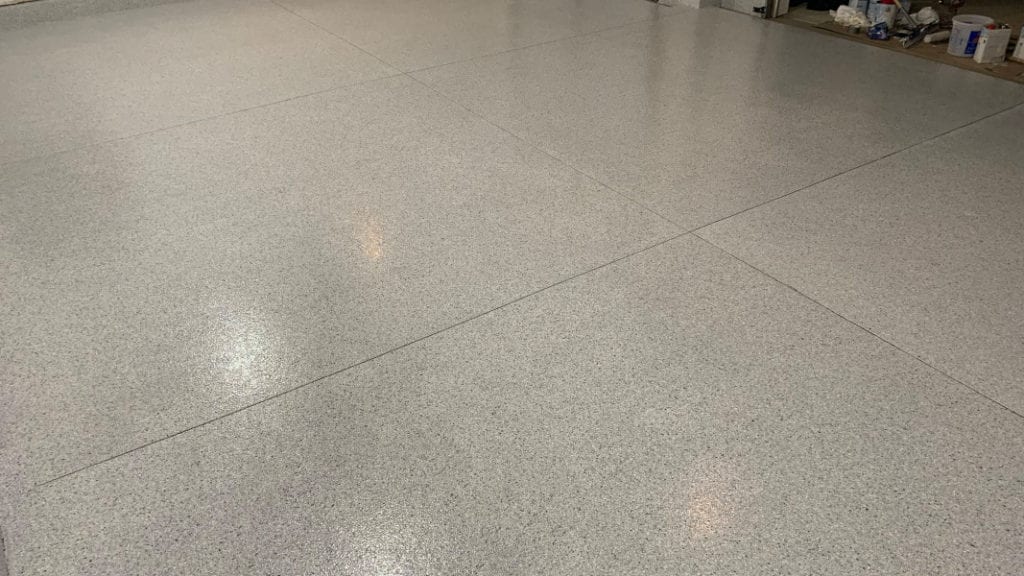
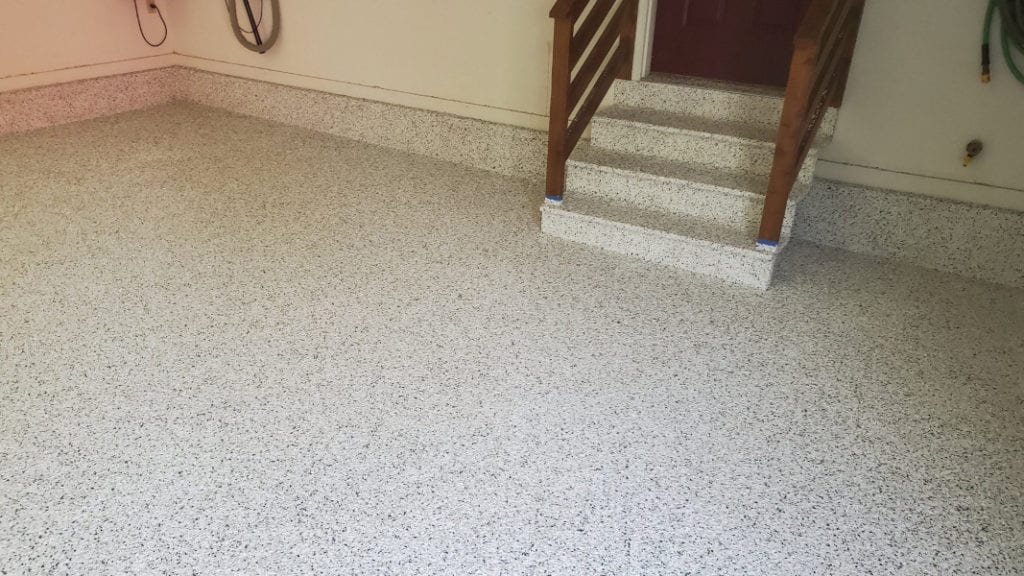
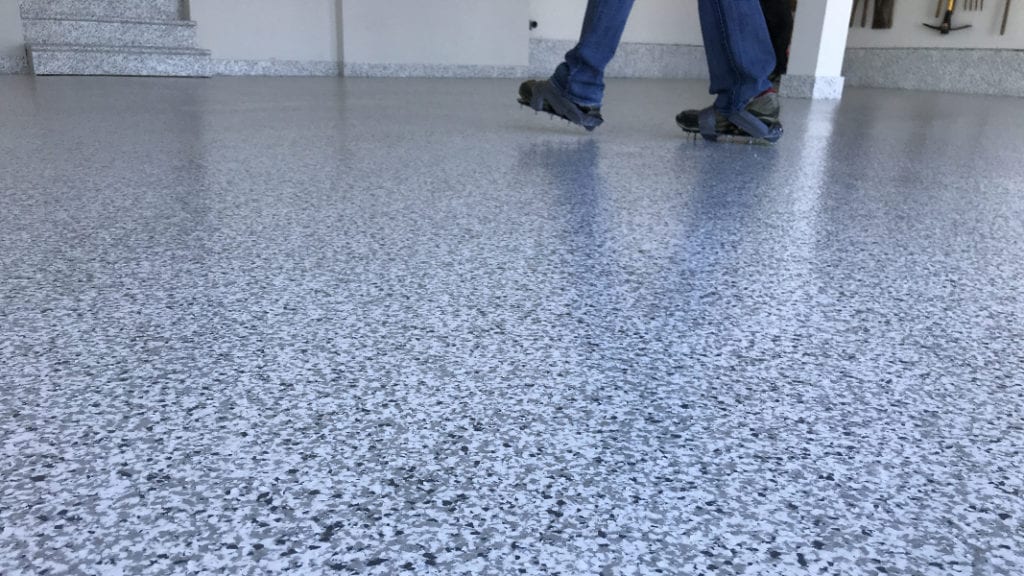
    Epoxy makes for a very attractive flooring surface. You can add colored vinyl flakes if you prefer, which adds even more visual appeal. It’s important to note that epoxy is very durable and is available in various colors, but it is not painted. Some types of paint for garage floors have a percentage of epoxy added, but they are not the same as epoxy floors. Instead, they are known as epoxy paints. Epoxy is a thermosetting resin that’s applied over the top of concrete. It’s made by mixing one part hardener with one part resin. The end product is an attractive, durable product that is much stronger than paint.

    CONSISTENTLY GOOD REVIEWS

    Those who have epoxy floors in their residential garages typically report that they love the product. Residential epoxy floors consistently receive good reviews online when experienced professionals install them. This flooring type offers many benefits that regular concrete or other common garage flooring types do not offer.

    Epoxy also gives a glossy, attractive look that provides homeowners with pride in their garages’ appearance. Putting down an epoxy flooring over your concrete garage floor can also increase your home’s value. Homebuyers often like to see that garage flooring is made with highly durable materials that will last a long time without significant damage.

    Is this the best option for you?

    If you’re ready to beautify your garage floor contact Treadwell today!

    Start A Conversation

      Please note: We specialize in commercial flooring solutions. If your project is residential, we may not be the right fit.

      Polished and Sealed Concrete

      WHAT’S THE DIFFERENCE BETWEEN POLISHED CONCRETE AND GRIND AND SEALED CONCRETE?

      WHAT’S THE DIFFERENCE BETWEEN POLISHED CONCRETE AND GRIND AND SEALED CONCRETE?

      One of the top flooring trends is polished concrete floors. Not only are exposed concrete floors highly appealing, exposed concrete floors are durable, long-lasting, affordable, environmental friendly, and perfect for many applications – including business, warehouses, retail spaces, homes, restaurants, breweries, art galleries, and so much more. In addition, the desired finish of your refinished exposed concrete can vary from low sheen to high gloss that resembles glass.

      If you are interested in exposed concrete flooring for your business or home, you may come across flooring companies that offer both polished concrete and sealed concrete. Clients are left wondering, “Is polished concrete or sealed concrete best for my project?” Both polished concrete and grind and sealed concrete are great flooring options and can look almost identical. Many consumers are not aware of the differences between polished concrete and grind/sealed concrete floors, which can result in confusion when requesting quotes or gathering information.

      POLISHED CONCRETE & SEALED CONCRETE LOOK VERY SIMILAR, BUT THEY ARE DIFFERENT

      Polished concrete and sealed concrete visually look almost identical. Even some contractors may have trouble first distinguishing between the two systems. However, the shine/finish is achieved in completely different ways. Polished concrete is more labor intensive and involves more steps than grind/sealed concrete floors. Concrete polishing is the mechanical process of polishing the surface of an existing concrete slab using engineered floor grinders fitted with industrial diamonds. During this process, the concrete is polished using finer grits of diamond abrasives until the floor reaches the desired level of shine (level 1-4). However with sealed concrete, the high gloss is achieved from a high performance sealer. Both floors are durable, but polished concrete has a longer lifetime expectancy and is more durable in areas with high foot traffic. We typically recommend sealed concrete as a more affordable alternative to polished concrete.

      Keep reading to learn about the key differences of concrete polishing vs grind and sealed concrete floors, including appearance, durability, and price difference, to help make your decision for your next decorative concrete flooring project.

      What Are Polished Concrete Floors?

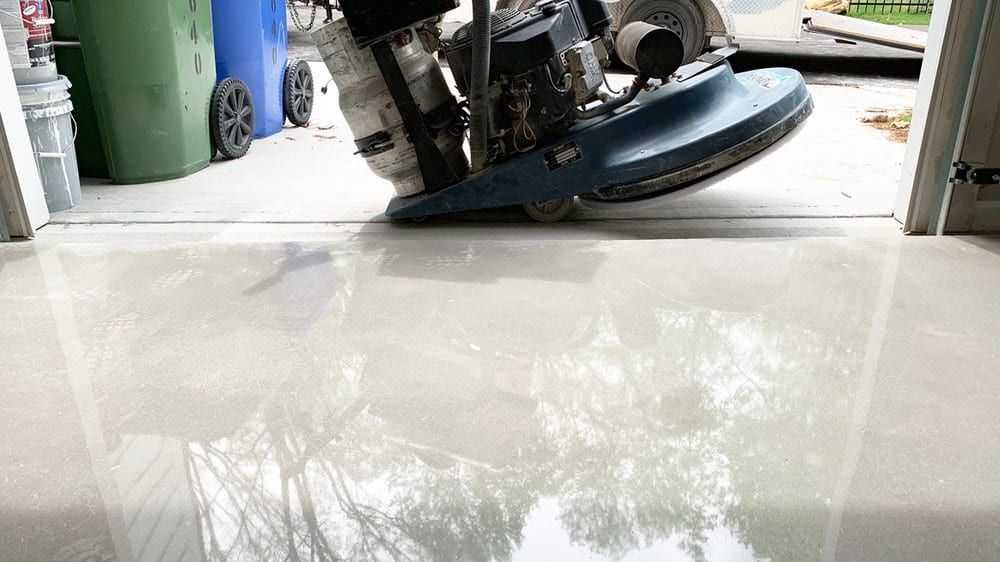
      Polished concrete floors are created using the mechanical process of polishing the surface of an existing concrete slab using engineered floor grinders fitted with industrial diamond abrasives. During this process, the concrete is polished using finer grits of diamond abrasives until the floor reaches the desired level of shine. With polished concrete, choose from 4 levels of shine.

      LEVELS OF POLISHED CONCRETE

      Level 1 – Matte, Flat: The floor has a matte finish and will appear somewhat hazy with minimal clarity or reflection.

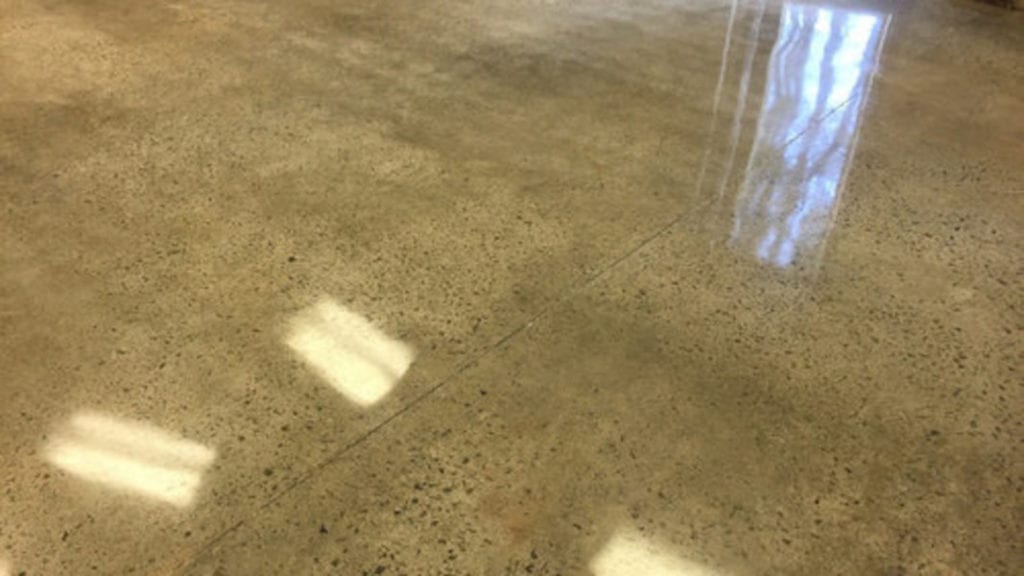
      Level 2 – Low Sheen: The floor has a very low luster sheen with a matte finish. At about a 100 feet distance, you can start to see slight overhead reflection.

      Level 3 – Semi-Gloss: The floor will have a higher gloss than compared to a level 2. There will be good light reflectivity. At about a 30-50 ft distance, the floor will clearly reflect light.

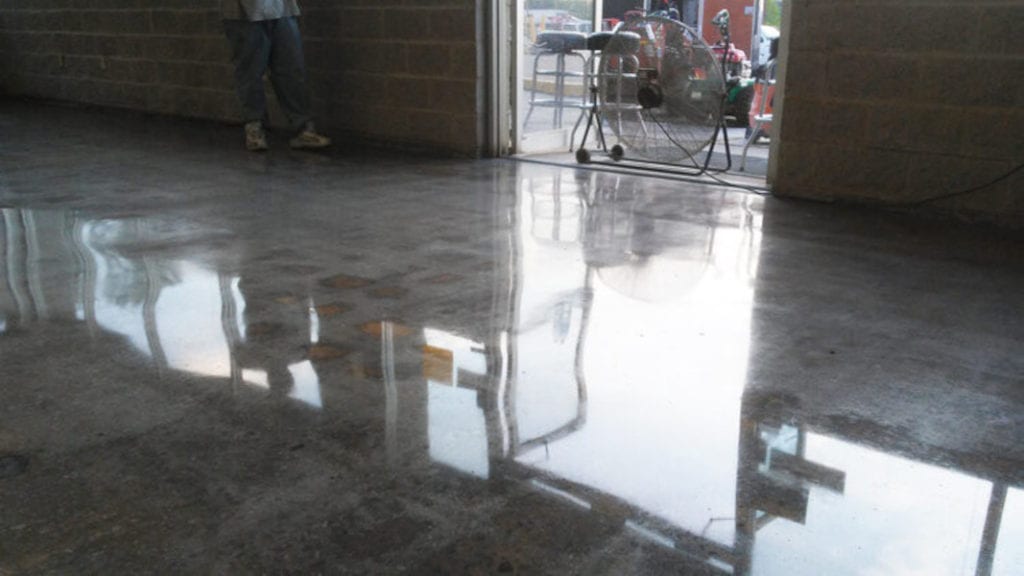
      Level 4 – High Gloss: The floor produces the highest level of shine, similar to glass with high light reflectivity. The floor almost appears wet from many vantage points.

      What Are Grind and Sealed Concrete Floors?

      1. The process involves grinding the concrete with engineered concrete floor surface grinders to remove any contaminants from the existing slab.
      2. Next, cracks and divots in the floor are patched with patching material.
      3. Depending on your floor goals (i.e. desired finish and durability requirements), the concrete may be ground again with finer diamonds to further smooth the floor. If the concrete is soft, porous or free of contaminants, a second pass may not be necessary.
      4. Afterwards, the surface is properly cleaned.
      5. If desired, at this step a stain color can be added to your grind and seal concrete project. Choose from a wide variety of colors, from neutral, earth tones to colorful concrete dyes.
      6. Lastly, your sealed concrete floor is sealed with a high-performance sealer. Depending on your floor goals, requirements, and your space, your concrete flooring company will recommend the best type of sealer for your project.

      Now that we’ve defined both polished concrete and sealed concrete floors, let’s breakdown the main factors of their differences, including appearance, durability, and cost.

      POLISHED CONCRETE VS. GRIND AND SEALED CONCRETE

      APPEARANCE

      Sometimes it may be hard to spot the difference between polished concrete and sealed concrete because they look almost identical. Both polished and grind/seal concrete floors can have a matte, satin, or gloss appearance. However, the finish (either matte, satin, or gloss) is achieved in different ways. For polished concrete, the concrete is polished using finer grits of diamond abrasives until the floor reaches the desired level of shine (level 1-4). However with sealed concrete, the finish is achieved from a high performance sealer.

      One difference is grind/sealed concrete has a more consistent appearance from one concrete floor to the next. The reason is the high-performance sealer is consistent on each application because it is not reliant on the concrete’s profile, unlike polished concrete. This may be beneficial for those looking to match sealed concrete floors throughout their space. With polished concrete, the finished look can vary from concrete to concrete because a different canvas is presented and extraneous factors can affect the final finish, such as the level of hardness or imperfections.

      Stains can be applied to both polished concrete and grind and seal concrete floors.

      DURABILITY

      When choosing between polished concrete and grind/seal concrete, it’s important for your flooring contractor to understand your desired level of durability. Is it an area with high foot traffic? Is the area prone to oil spills?
      Polished concrete is great in high volume spaces because it has a scratch-resistant finish and requires little maintenance. It also lasts for decades if properly maintained. The later statement applies for grind and seal concrete as well – if properly maintained, an expert grind and seal floor should last for decades and decades.

      In areas with high foot traffic:

      Polished concrete is ideal for environments with high foot traffic because they require minimal maintenance and have long lifetime expectancies.
      In areas with stains, oils, grease, animal urine etc.

      Grind and seal floors have a chemical-resistant polyurethane sealer, allowing the floor to easily be cleaned away of stains that could typically cause permanent damage to other flooring systems. Grind and seal floors help protect against grease, oil spills, stains, and animal urine.

      Cost

      Concrete polishing is more labor intensive and costs more than grind/seal or burnished concrete. If interested in polished concrete floor but would like a more affordable option, we recommend to choose from either grind and seal concrete or burnished polished concrete.

      Alternatives to Polished Concrete

      BENEFITS OF BURNISHED CONCRETE

      Burnished polished concrete resembles polished concrete but does not require as many steps. This system is less labor intensive which makes it more affordable. The burnished concrete process involves utilizing a high-speed burnisher that spins at approximately 1,500 rpm to 2,500 rpm to fills the concrete’s pores with an applied chemical. The burnishing machinery heats and buffs the topical coating into a concrete surface. It’s important to note the finished floor is less durable than polished concrete and does require more maintenance.

      Click here if you’d like Treadwell to provide an Grind and Sealed Concrete Flooring Quote for your space

      Start A Conversation

        Please note: We specialize in commercial flooring solutions. If your project is residential, we may not be the right fit.

        Why Most DIY Epoxy Floors Fail?

        WHY MOST DIY EPOXY FLOORS FAIL?

        WHY MOST DIY EPOXY FLOORS FAIL?

        Why Most DIY Epoxy Floors Fail?

        We are often asked how effective the discount kits at the big box home centers are.

        Generally speaking, these discount kits are of lower quality material, and cannot withstand the heavy duty use required for automobile parking, the stress of weather elements (substrate expanding and contracting), and cannot fill pre-existing cracks and imperfections.

        Adhesion Failure From Inadequate Concrete Prep

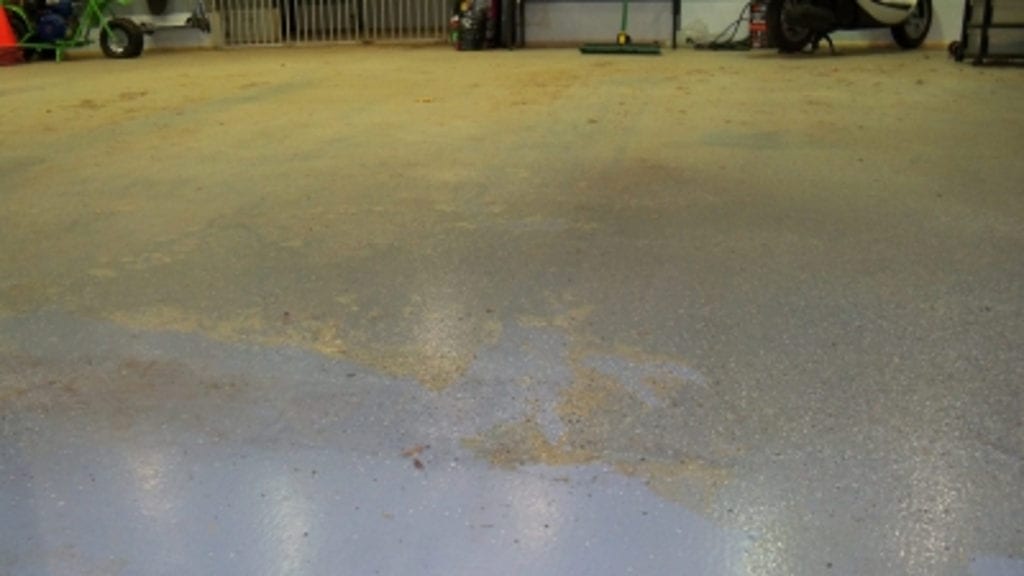
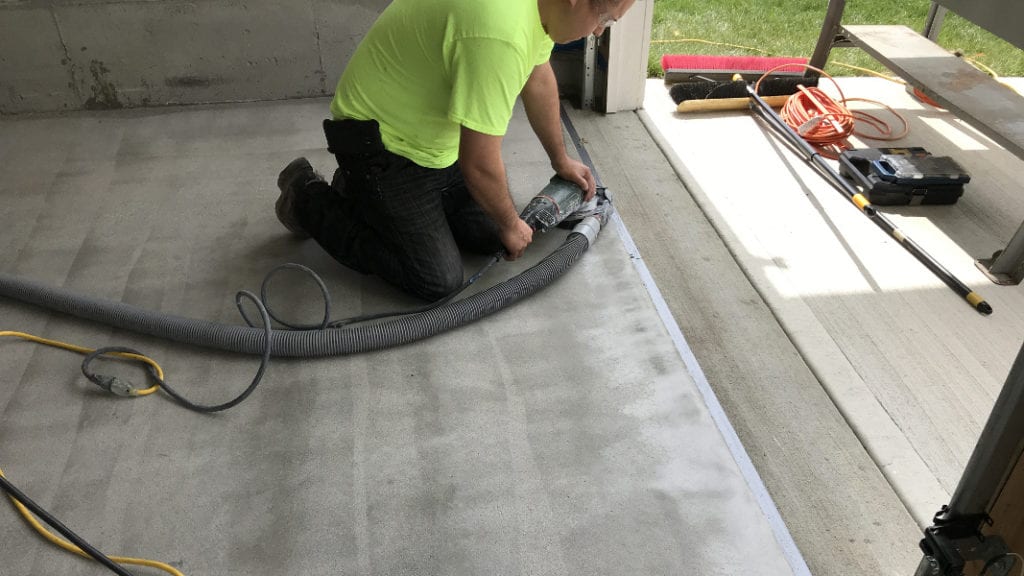
        A surface needs to be properly prepared in order for it to be able to bond mechanically with epoxy coating. This means it should be clean, dry, dust-free, and the surface must be diamond ground or shot-blasted to the appropriate roughness before applying the primer.

        Epoxy needs a rough surface to mechanically bond to. If the surface is too slick, the epoxy will not stick to it for very long.

        Most epoxy paint kits will instruct the DIY user to just clean the floor or etch it with muriatic acid. Cleaning by itself will make zero difference. No matter what type of degreaser you employ, it will have no impact on the concrete profile.

        Acid etching, while a valid preparation method, will only work if the concrete’s pores are open enough to allow the acid to react and remove the thin cement paste on the very top.

        The preparation made by acid etching is just skin deep. As a result, acid etching will not be enough for areas of the concrete which are sealed, oil stained, painted or contaminated.

        Moisture Present in Concrete

        Epoxy doesn’t bond well with water. Presence of moisture and humidity in the concrete can cause serious problems. Moisture will change the course of chemical reaction that is going on in molecular level, and will not result in your desired durable garage epoxy flooring.

        Concrete surfaces that are dry to the touch may still have enough moisture below the surface to react negatively with the epoxy coating. Performing a moisture test on the concrete with a probe to ensure moisture levels are in line with the products tolerance is the only way to know for sure if the epoxy will successfully bond.

        Too Thin

        DIY kits are typically 1 and at best 2 thin coats of epoxy material. This is no thicker (and in some cases thinner) than the paint on your walls. Garage floors take substantially more abuse than interior walls. Thin coatings are more susceptible to chip up from impacts, scratch down to the concrete and crack.

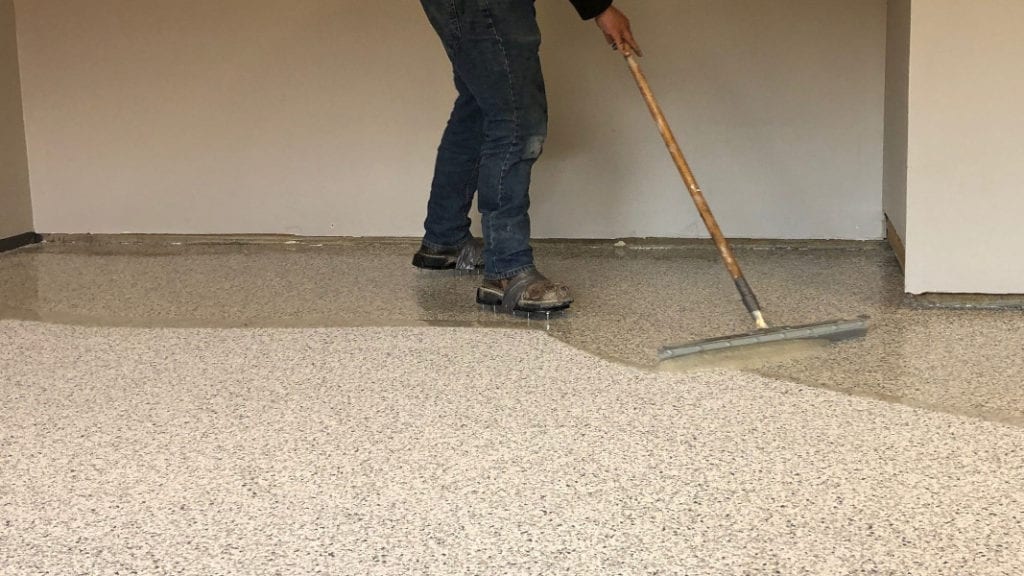
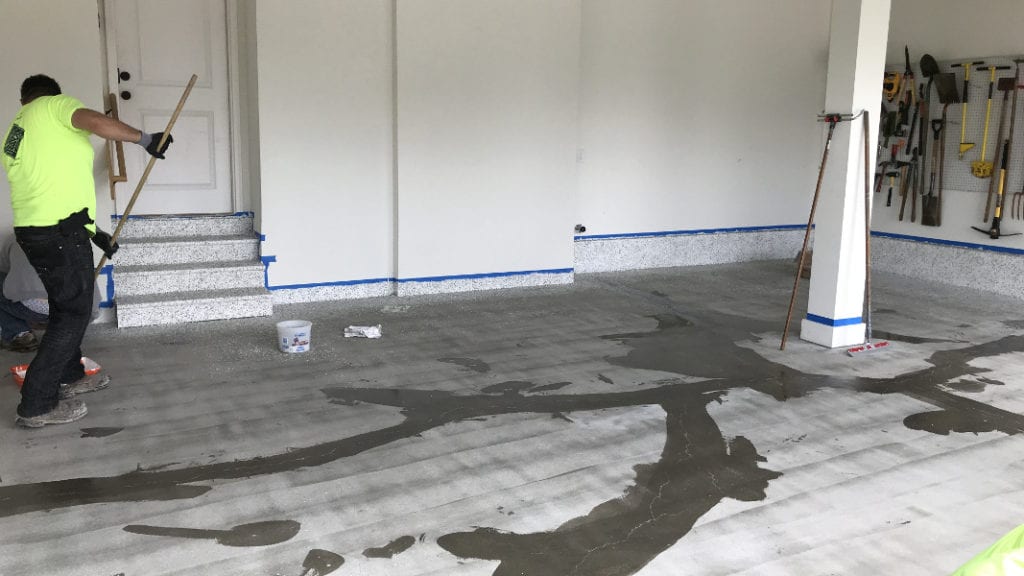
        Professional installations are 6-10 times thicker than DIY kits. The epoxy material is applied substantially thicker for each coat and a full layer of impact resistant flakes are sandwiched in-between the base coat and topcoat. This provides a more durable floor surface.

        Click here if you’d like Treadwell to provide an Epoxy Flooring Quote for your space

        Start A Conversation

          Please note: We specialize in commercial flooring solutions. If your project is residential, we may not be the right fit.

          What is a Polished Concrete Floor?

          WHAT IS A POLISHED CONCRETE FLOOR?

          WHAT IS A POLISHED CONCRETE FLOOR?

          What Is Polished Concrete?

          Before we get into the technicalities of polished concrete, let’s talk a little more about what it is. Simply put, polished concrete is a concrete floor that’s been chemically hardened and mechanically honed resulting in a durable and shiny floor that can stand the test of time. But how do they get so glossy? That’s where the polishing part comes into play. The process of polishing concrete consists of “sanding” down the slabs with diamonds that range from 300 grit up to 2500 grit depending on the level of gloss you want the system to achieve. Polished concrete is most commonly performed on new concrete but can also be performed on existing concrete that is in good condition.

          Polished Concrete- The Benefits

          So let’s get into what makes concrete polishing such a sought after service, the benefits. Concrete polishing offers a broad range of benefits that range from carefree maintenance to long service life. But by far the most attractive benefit that concrete polishing offers to homeowners is its durability and high resistances. For example, this coating offers stain & scratch resistance. Other benefits include:

          • Eco-Friendly
          • Simplistic Maintenance
          • Extremely Customizable
          • Affordable

          Customizing Polished Concrete

          You can customize your polished concrete by adding color (stain), creating patterns, and varying the amount of aggregate exposure. Did you know you can even make polished concrete look like Terrazzo flooring? Not all polished floors have to be super reflective either, you can have your polishing to your exact specifications from an almost matte finish to mirror-like depending on the tier of honing you have your contractor perform.

          Maintaining Polished Concrete

          It won’t take much to maintain a polished system, just regular mopping with a standard wet mop and sweeping with a soft bristle broom but scrubbers can be used for larger areas. Unlike other floors, polished concrete never needs to be waxed. This makes maintenance a fast and straight forward process that anyone can accomplish. In terms of what detergents to use on the flooring, just make sure that the cleaner is PH-neutral and avoid any cleaners with citrus/pine, ammonia, or bleaches to avoid any abrasions on its surface.

          Click here if you’d like Treadwell to provide a custom Polished Concrete Flooring Quote for your space.

          Start A Conversation

            Please note: We specialize in commercial flooring solutions. If your project is residential, we may not be the right fit.

            Contact

            Address: 1707 East 123rd Terrace
            Olathe, KS 66061
            Phone: (913) 396 6216

            Menu

            • Areas
              • Commercial Flooring Kansas City
              • Commercial Flooring Lawrence
              • Commercial Flooring Topeka
            • Commercial Flooring Services
              • Polished Concrete
              • Stained Concrete
              • Grind and Seal Concrete
              • Decorative Concrete
            • Flooring By Industry
            • Portfolio
            • Privacy Policy

            About Us

            Treadwell specializes in the installation of durable surfaces that include epoxy flooring, polished concrete, gypsum underlayments and more. We install floors that are sanitary, long lasting and low maintenance . We service the central midwest from our Kansas City area headquarters.
            Top